How to Ensure Data Center Security: A Complete Framework for Physical and Digital Protection

What is Data Center Security?

Data center security is a critical concern as the market grows rapidly. According to Allied Market Research, the global data center security market was valued at $13.8 billion in 2022 and is projected to reach $62.2 billion by 2032, growing at a CAGR of 16.6% from 2023 to 2032. This growth is driven by increasing cyber threats, regulatory compliance requirements, and the rapid evolution of technology.

To protect against both digital and physical threats, data centers must implement comprehensive security measures. This includes access controls, environmental safeguards, and advanced digital defenses such as firewalls and encryption. Regular audits and employee training are also essential to ensure compliance and maintain data integrity

Part 1: The 3-Pillar Foundation

True data center security combines:

1. Cybersecurity: Digital Threat Defense

  • Purpose: Protect networks/systems from hacking, malware, DDoS.
  • Key Tools: Firewalls, encryption, intrusion detection.
  • How to Ensure It: Segment networks; update patches weekly.

2. Physical Security: Tangible Access Control

  • Purpose: Prevent unauthorized entry/theft of hardware.
  • Key Tools: Biometric scanners, surveillance, server cabinet locks.
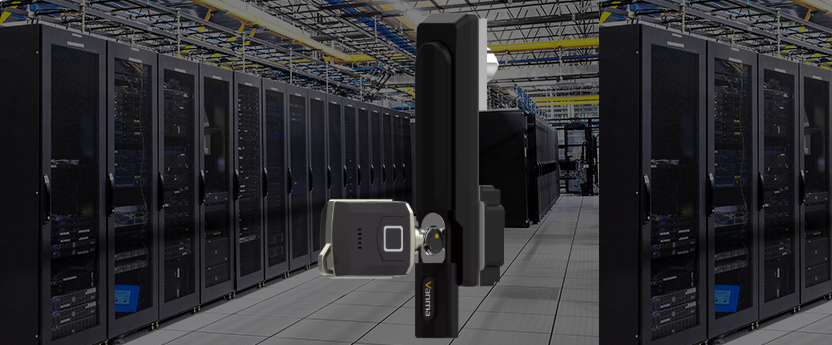
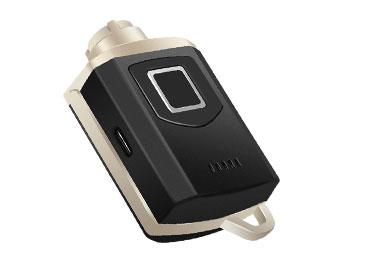
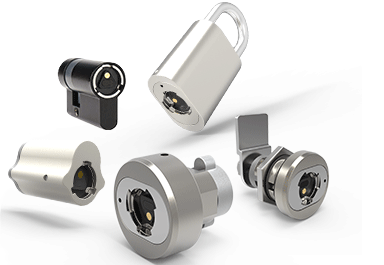
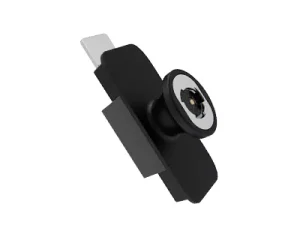
  • How to Ensure It: Deploy battery-free electronic locks (e.g., Vanma) for outage-proof protection.

3. Administrative Security: Human Risk Management

  • Purpose: Govern processes/compliance.
  • Key Tools: Staff training, audit logs, ISO 27001 frameworks.
  • How to Ensure It: Automate access records with passive electronic locks.

Core Principle: Data center security fails if one pillar is weak.

Part 2: How to Ensure Physical Data Center Security

Physical breaches cause 70% of incidents (Verizon DBIR). Follow these steps:

2.1 Secure the Perimeter

  • Action: Build in low-risk zones (avoid flood/quake areas).
  • How to Ensure Resilience: Use IP68-rated locks (e.g., Vanma) on external gates.

2.1 Fortify Building Access

  • Action: Install biometric/multi-factor entry systems.
  • How to Ensure Continuity: Pair with battery-free passive locks—no power dependency.

2.1 Protect Server Cabinets: The Critical Layer

What is the risk?

  • 62% of data centers use unlogged keys (IDC 2024).
  • Battery failures lock out staff during crises.

How Vanma Lock Ensure Cabinet Security:

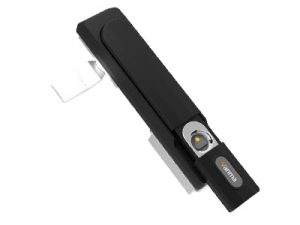
data center access control vanma passive lock system
ThreatSolutionTool Example
Key Theaf/LossRevoking key access rightsVanma Smart Lock System
PowerUnlocking & locking without powerPassive electronic locks
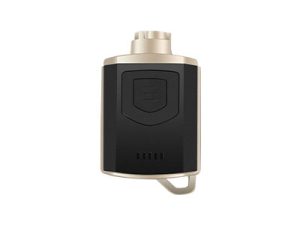
Audit FailuresAutomated access logsVanma Bluetooth Key
Extreme Heat/FloodsIP68-rated waterproof housingEnvironment-proof lock bodies

Part 3: How to Ensure Cybersecurity Integration

Data center security requires cyber-physical synergy:

3.1 Network Protection Tactics

  • Action: Encrypt data; segment networks.
  • How to Ensure Alignment: Trigger network isolation upon cabinet breach alerts.

3.2 Zero-Trust Implementation

  • Action: Grant minimal access per role.
  • How to Ensure Physical Sync: Use passive locks to enforce cabinet-specific permissions (e.g., “DB admins access only Database Racks”).

Part 4: Administrative Security: How to Ensure Compliance

What is administrative data center security? Policies that reduce human risk.

4.1 Staff Training

  • Action: Conduct quarterly security drills.
  • How to Ensure Effectiveness: Simulate physical intrusion scenarios.

4.2 Automated Auditing

  • Action: Replace manual logs with digital trails.
  • How to Ensure Efficiency: Vanma locks auto-record: Who unlocked which cabinet at what time.

4.3 Meeting Standards

  • ISO 27001: Requires physical access audits.
  • GB/T 45279.3-2025: Mandates tamper-proof cabinet locks.
  • How to Ensure Compliance: Deploy logged, revocation-ready locks.

Part 5: Implementing Your Data Center Security Plan

Follow this framework to ensure data center security:

Phase 1: Risk Assessment

  1. Map all access points (doors, cabinets).
  2. Classify assets using Tier 1-4 standards.
    Key Question: “What is our highest-risk cabinet zone?”

Phase 2: Prioritize Physical Upgrades

  1. Replace mechanical cabinet locks with passive electronic locks (e.g., Vanma).
  2. Start with Tier 3-4 racks (mission-critical).

How to Ensure ROI:

MetricTraditional LocksPassive Electronic Locks
5-Year TCO$600/lock$120/lock
Audit Time16 hours15 minutes

Part 6: Future-Proofing Data Center Security

What is next for data center security?

Trend 1: AI-Driven Threat Fusion

  • Action: Feed physical access data into AI models.
  • How to Ensure Proactivity: Detect anomalies (e.g., after-hours cabinet entry).

Trend 2: Sustainable Security

  • Action: Choose zero-energy tools (e.g., passive locks).
  • How to Ensure Alignment: Reduce PUE (Power Usage Effectiveness) to <1.2.

Conclusion

To ensure data center security:

  1. Audit physical access points (focus: server cabinets).
  2. Deploy outage-proof locks (e.g., Vanma) in critical zones.
  3. Integrate cyber-physical monitoring.

System Composition

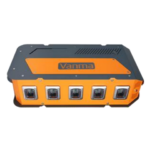
vanma smart locker WM-2000C-EKB-5

Products

Discover More

vanma prisons
Solutions

Prison & Correctional Facility Access Control

As correctional facilities modernize, the pressure to prevent escapes, contraband and internal misconduct keeps mounting. Traditional metal keys—copied, lost or passed hand-to-hand—can’t deliver the instant control or courtroom-grade proof that today’s prisons demand.

Read More »