

Solutions
Healthcare Facility Access Control Solutions
The healthcare industry is a vital sector that includes hospitals, clinics, pharmaceutical companies, and medical device manufacturers. It is essential

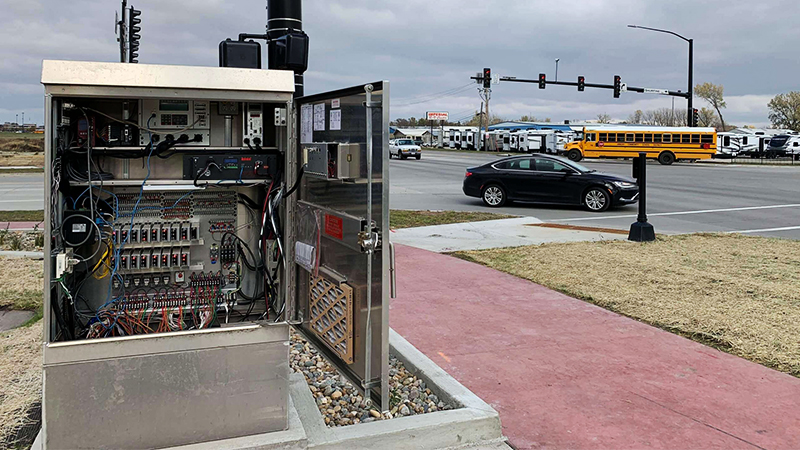
In the United States, traffic signal cabinet locks use the standard #2 key. This provides a degree of convenience, as signal technicians, engineers, and contractors all have access to the cabinet, but it makes equipment vulnerable to lose and theft. These keys can be easily purchased on the Internet. This means that anyone can obtain the #2 key and access the vast majority of traffic signal cabinets without the agency responsible for managing traffic lights being aware of it. If an employee loses the key, anyone can pick it up and use it to tamper with or steal the equipment in the cabinet.
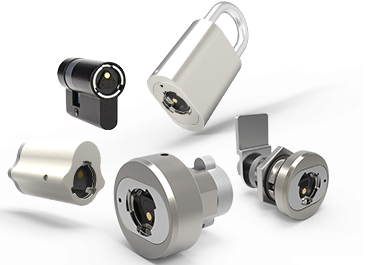
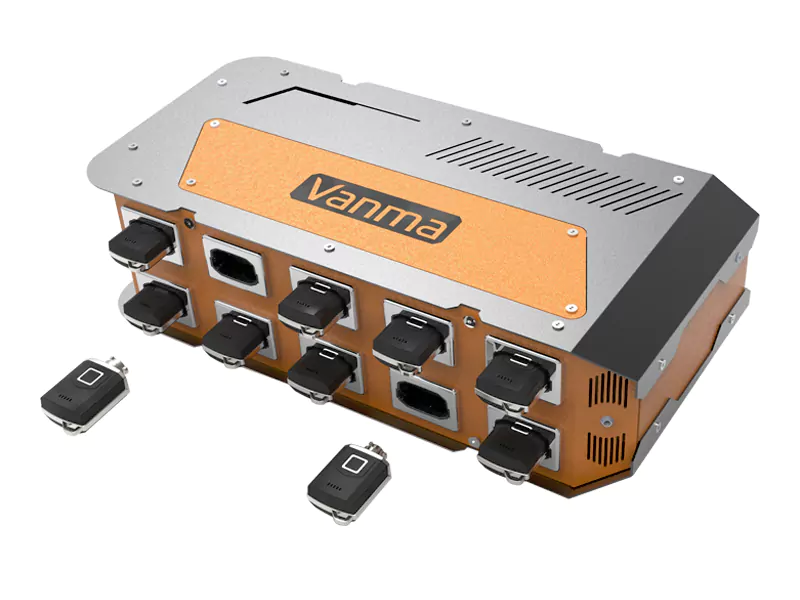
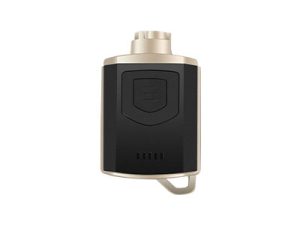
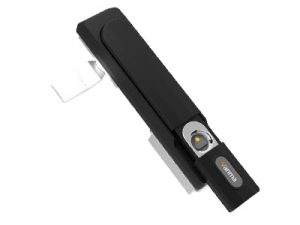
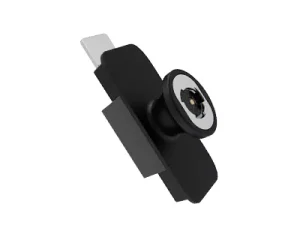
Vanma electromechanical locks are different from general mechanical locks. A special electronic key is required to unlock the lock. Only those who have been granted access rights hold the electronic key, which can greatly reduce the amount of keys and do not have to worry about the keys being reused. Potential pitfalls of replication. Even if the electronic key is lost, it only needs to revoke its unlocking authority in the software, so as to avoid the key being abused.
In order to ensure the normal operation of urban traffic, traffic management agencies need to issue mechanical keys to contractors, police, power repairers, signal technicians and other parties for coordinated operations to support the smooth operation of urban traffic. But it also means that these people can visit multiple cabinets indefinitely, and it is also impossible to track who has accessed the traffic control cabinet.
With the Vanma electromechanical lock solution, you can program electronic keys with the help of Vanma Smart Software, grant access to those involved, and only allow access for pre-set periods of time. Provide traffic authorities with an audit record of anyone accessing traffic control cabinets. In an emergency, the electronic key can be authorized remotely with the help of Vanma Smart Software, which greatly facilitates field operators, eliminating the need to travel back and forth between the field and the traffic control center.
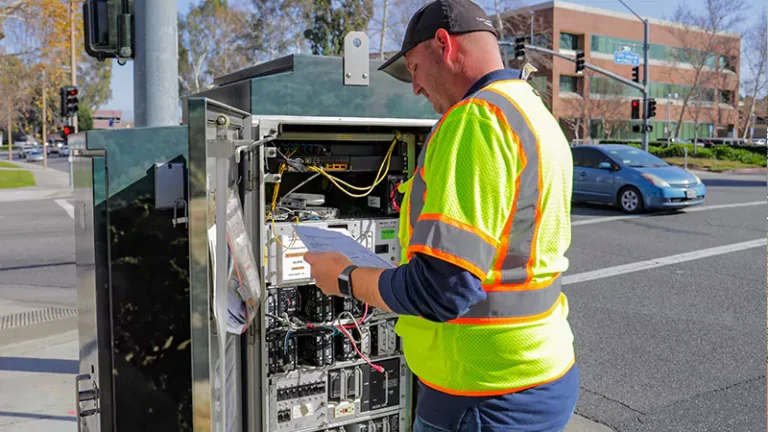
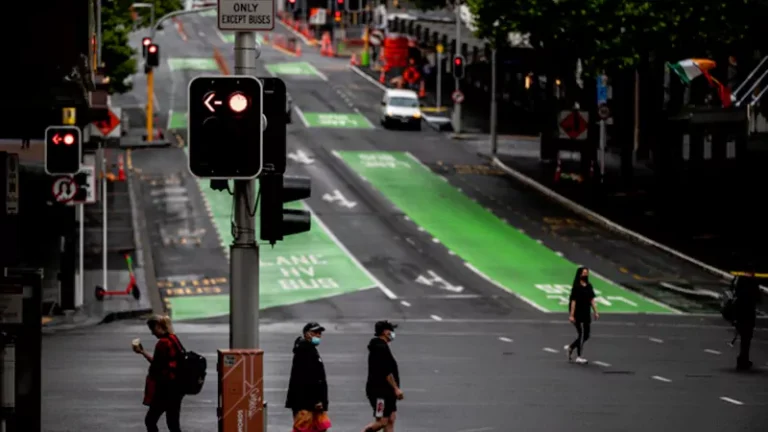
Traffic control boxes and digital signage are expensive pieces of equipment that are critical to the safe and smooth operation of roads and highways. Each traffic control box contains thousands of dollars of critical equipment, including networking equipment, computers, cables, and more, whose security is paramount. This is an extremely attractive target for thieves. Not only are transit box internal components vulnerable to theft, they are also vulnerable to tampering. Not only is tampering potentially dangerous to the driver, but it’s also an added nuisance to the employees and engineers servicing the device.
Vanma electromechanical locks can be upgraded without any wiring, and access rights are granted according to each user’s needs through the Vanma Smart Software, preventing any unauthorized access attempts. Through reports, administrators can obtain access records within a specified time frame or outside a specified area to analyze any anomalies.
Urban traffic control boxes are scattered everywhere, and operators need to carry a large number of keys to perform maintenance on the equipment. And if the contractor needs access to the key, the Traffic Management Service will need to go to the site to provide a spare key. This results in wasting too much time in obtaining the key, which greatly reduces the operation efficiency.
The Vanma electronic key can be programmed to open one, several or all locks in the system. So as to minimize the number of keys, easy to manage.

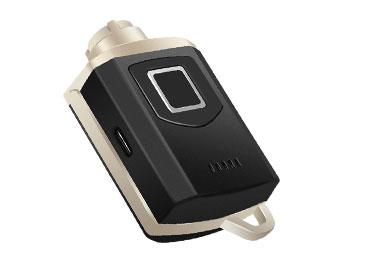

Vanma continues to provide security access management solutions for urban traffic. So far, it has provided traffic access control solutions for 58 cities around the world, which are used in traffic control boxes on 3,872 major urban roads and 726 freeways.
Vanma is a company dedicated to lock innovation, and providing the world with a more secure lock management system is the goal of Vanma’s passion. Up to now, more and more people around the world have enjoyed the efficient management and safe environment brought by Vanma locks.
The healthcare industry is a vital sector that includes hospitals, clinics, pharmaceutical companies, and medical device manufacturers. It is essential

The power industry involves the generation, transmission, distribution, and sale of electricity to consumers. As a critical infrastructure, it plays
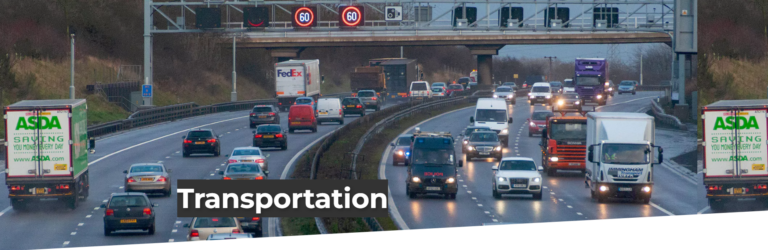
With the development of smart cities and the growing demand for traffic, urban traffic has begun to rely on more
The telecommunications industry provides communication services through various means, including phone, internet, and television. It plays a significant role in