


Solutions
Smart Access Control & Lock Systems for Water Utilities
Water resources and water quality are closely linked to population growth and economic growth. Today’s wastewater treatment plants are often


According to industry reports, storage-related thefts and security breaches cost businesses over $50 billion annually worldwide. Traditional lock and key systems, while familiar, often fail to provide the level of security and control needed in today’s complex storage environments.
The limitations of conventional security methods have become increasingly apparent. Physical keys can be easily duplicated, lost, or stolen. Mechanical locks offer no record of who accessed storage areas or when. These vulnerabilities have created an urgent need for more sophisticated security solutions that can provide both physical protection and digital oversight. Electronic passive locks have emerged as an ideal solution, offering the perfect balance of security, convenience, and intelligence.
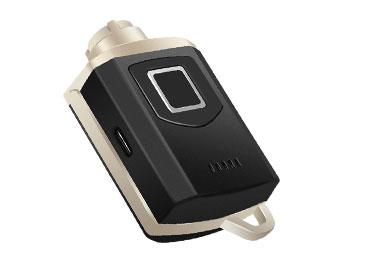
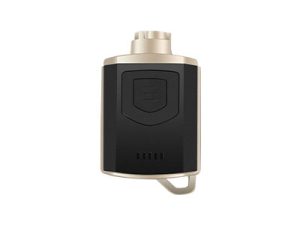
Electronic passive locks represent a significant advancement in security technology. Unlike traditional electronic locks that require batteries or wiring, passive locks operate without internal power sources. Instead, they use innovative energy harvesting technology that draws power from a specialized key or smartphone when access is required. This unique approach eliminates the most common points of failure in electronic security systems while maintaining all the benefits of digital access control. The fundamental technology behind passive locks involves sophisticated encryption and communication protocols. Each lock contains a secure microprocessor that manages access permissions and records activity. When an authorized key or mobile device approaches the lock, it transfers just enough power to activate the locking mechanism and record the access event. This process happens seamlessly within seconds, providing both security and convenience without compromising either aspect.
Electronic passive locks revolutionize how organizations manage storage access. A single authorized key can operate hundreds of different locks throughout a facility, eliminating the need for massive key rings or complex key management systems. Administrators can assign specific access permissions based on individual roles, time schedules, and security levels. This means that employees only have access to the storage areas they need, when they need it, significantly reducing the risk of internal theft or unauthorized access.
The flexibility of access control extends beyond simple permission management. System administrators can instantly grant or revoke access rights without needing to physically change locks or collect keys. Temporary access for contractors or auditors can be provided for specific time windows and then automatically expired. This level of control is simply impossible with traditional mechanical locking systems and represents a fundamental improvement in storage security management.

One of the most significant advantages of electronic passive locks is their ability to maintain detailed access records. Every lock operation is automatically recorded with precise timestamps, user identification, and location data. This creates an immutable digital record of exactly who accessed which storage area and when. For compliance purposes, these records are invaluable, providing clear evidence of proper security protocols and access control measures. The audit trail functionality extends beyond simple record-keeping. Advanced systems can generate customized reports, send real-time alerts for unauthorized access attempts, and integrate with existing security management platforms. This level of visibility transforms storage security from a reactive to a proactive function, enabling organizations to identify potential security issues before they become serious problems and demonstrating due diligence in security management.

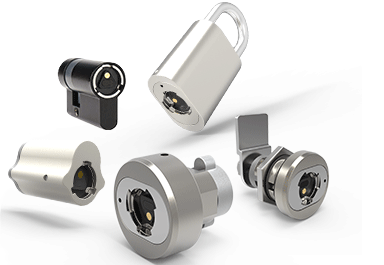
Electronic passive locks provide superior physical protection compared to traditional alternatives. They typically feature hardened steel construction, anti-drill protection, and tamper-resistant designs that resist physical attacks. Many models achieve IP68 ratings, meaning they’re completely protected against dust ingress and can withstand prolonged immersion in water. This makes them ideal for various storage environments, including outdoor facilities, cold storage warehouses, and areas where chemical exposure might occur.
The locking mechanisms themselves incorporate advanced technology that prevents picking, bumping, or other common bypass methods used against mechanical locks. Additionally, the electronic components include tamper detection features that immediately record and report any attempt to compromise the lock’s integrity. This multi-layered approach to physical security ensures that stored assets remain protected against both sophisticated and opportunistic security threats.
Warehouses present unique security challenges due to their size, multiple access points, and varying levels of inventory value. Electronic passive locks provide ideal solutions for these environments by enabling centralized management of all access points while maintaining detailed records of inventory movement. Implementation typically results in reduced shrinkage, improved inventory control, and enhanced overall security posture.
Data centers require exceptionally high security standards to protect critical infrastructure and sensitive information. Electronic passive locks offer the perfect combination of physical security and access tracking necessary for these environments. They ensure that only authorized personnel can access server rooms while providing comprehensive audit trails for compliance with data protection regulations and internal security policies.
Storage areas containing dangerous materials demand specialized security solutions. Electronic passive locks provide the robust, reliable security needed for these high-risk environments while offering features specifically designed for hazardous material storage. Their lack of batteries eliminates potential spark sources, making them safe for use in flammable atmosphere areas, while their environmental resistance ensures reliable operation in challenging conditions.
The implementation of electronic passive locks delivers significant financial advantages beyond improved security. Organizations typically experience substantial reductions in lock maintenance and key management costs. The ability to manage access rights electronically eliminates the expense associated with rekeying locks or replacing keys when employees leave or access requirements change. Insurance premiums often decrease due to enhanced security measures, providing additional financial benefits.
Operational efficiency improvements represent another major advantage. The time saved through streamlined access management, reduced security incidents, and simplified audit processes adds up to significant productivity gains. Employees spend less time dealing with lock-related issues and more time focusing on their primary responsibilities, while security personnel can manage larger areas more effectively through centralized monitoring and control.
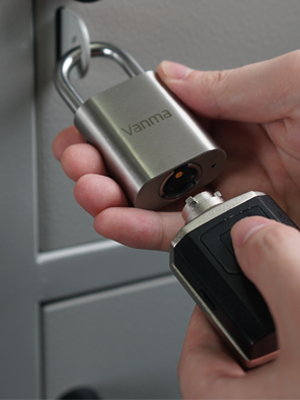
Every single access event is digitally recorded, enabling granular control over permissions and transforming security audits from a days-long manual task into a process that takes minutes.
Electronic passive locks represent the clear future of storage security across industries and applications. They provide the perfect combination of physical security, access control, audit capability, and operational efficiency that modern organizations require. As storage security challenges continue to evolve in complexity, these advanced locking systems offer the flexibility and intelligence needed to address both current requirements and future developments.
The transition from traditional mechanical locks to electronic passive systems is no longer just an option for forward-thinking organizations—it’s becoming a necessity for those seeking to maintain competitive security standards. The demonstrated benefits in security improvement, operational efficiency, and cost reduction make electronic passive locks an essential component of comprehensive storage security strategies for businesses of all sizes and across all industries.
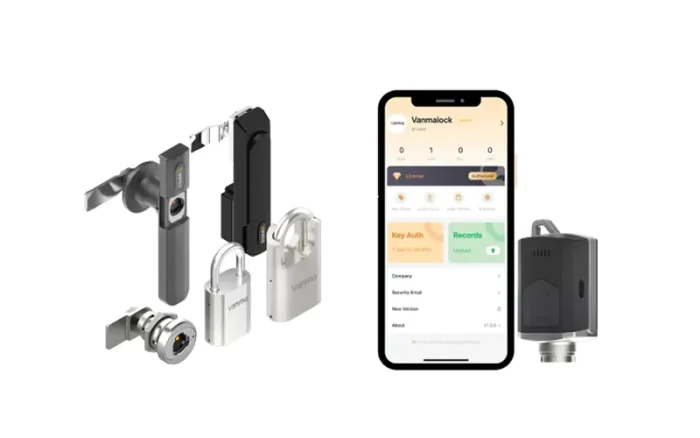
Upgrade your warehouse locks to increase efficiency and improve security
Water resources and water quality are closely linked to population growth and economic growth. Today’s wastewater treatment plants are often

Airports are among the world’s most complex and security-critical facilities, managing thousands of staff, contractors, and restricted zones across vast, sprawling sites. From airside perimeter fences and baggage handling areas to control rooms and fuel storage, every access point demands reliable, traceable, and weather-resistant security. Traditional mechanical locks are no match for the scale, accountability, and operational demands of modern airport management. Vanma provides intelligent, power-free access control solutions purpose-built for the unique challenges of airport environments. With IP68-rated durability and proven deployments worldwide, our systems ensure secure, auditable, and flexible access management across terminals, perimeter gates, and critical infrastructure — helping airport operators maintain safety, meet compliance requirements, and keep operations running without interruption.

As the world rapidly shifts toward digital infrastructure, the demand for secure and efficient data centers is growing across industries—from

In today’s accelerated development of e-commerce and international trade, the air, sea and land transportation industries must provide complete access