

Solutions
Mall & Retail Access Control Solutions
The retail industry is a sector that encompasses a wide range of businesses, including supermarkets, department stores, and specialty shops.


In today’s healthcare sector, the safety and management of pharmaceuticals are of paramount importance, especially in hospitals, clinics, and similar settings. To ensure the secure storage of medicines, the use of emerging technologies has proven to be a convenient and efficient approach.
Among these technologies, access control systems stand out as particularly well-suited. They not only enhance the security of pharmaceutical management but also improve efficiency. In this article, we will explore the Vanma access control system as an illustrative example of the convenience it brings to pharmaceutical storage management.
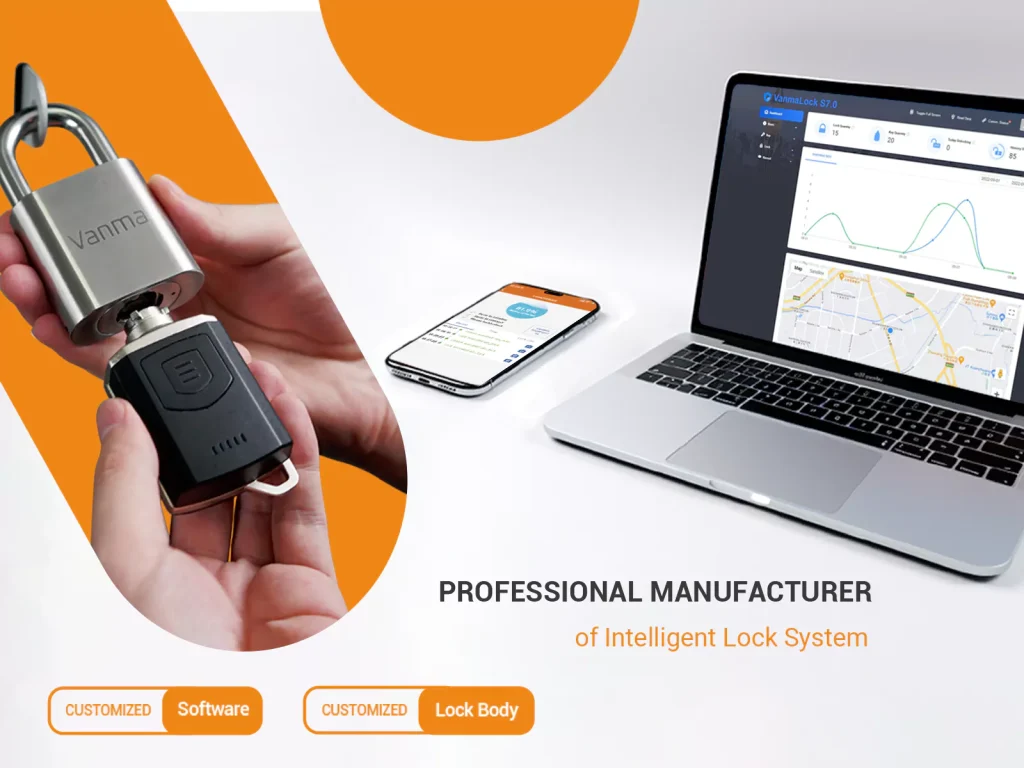
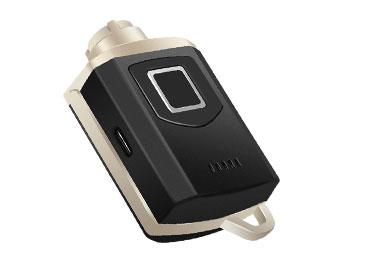
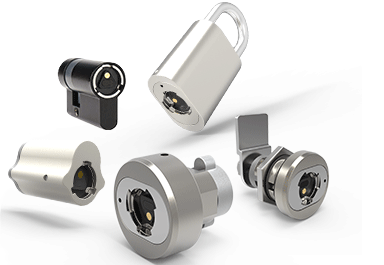
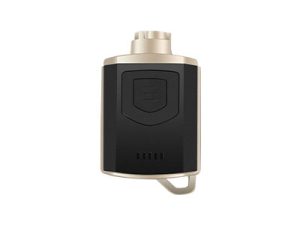
The Vanma access control system differs from conventional systems as it comprises passive electronic locks, smart keys, and management software:
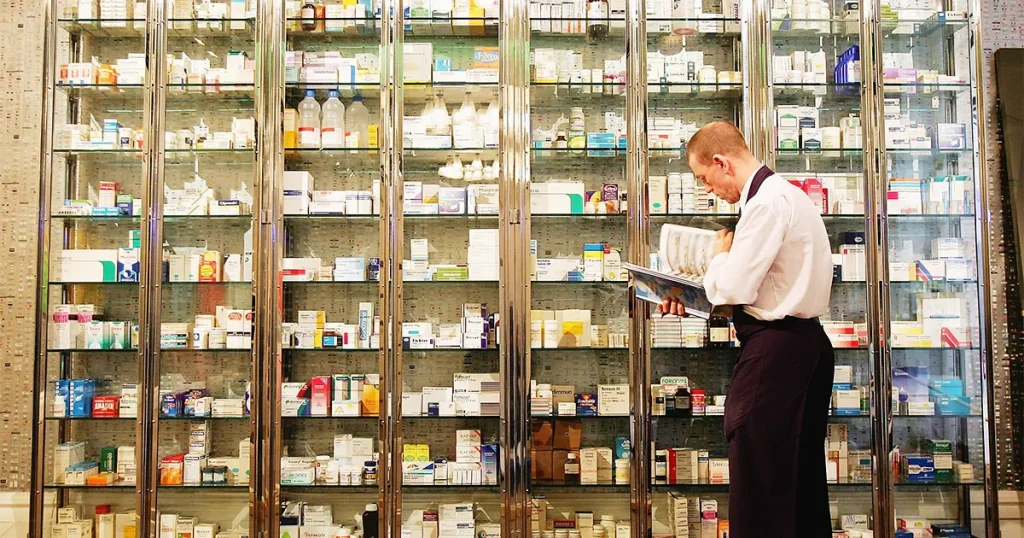
This represents a crucial application of the access control system. Depending on the location’s requirements, a variety of lock types can be selected, eliminating the need for additional integration. Only authorized personnel, such as doctors, nurses, and pharmacists, can access medicines stored in locked cabinets. This ensures pharmaceutical security and prevents unauthorized access.
Additionally, each doctor, nurse, or pharmacist need only carry a single key to open all locks within their authorized scope, increasing work efficiency and significantly reducing the risk of key loss.
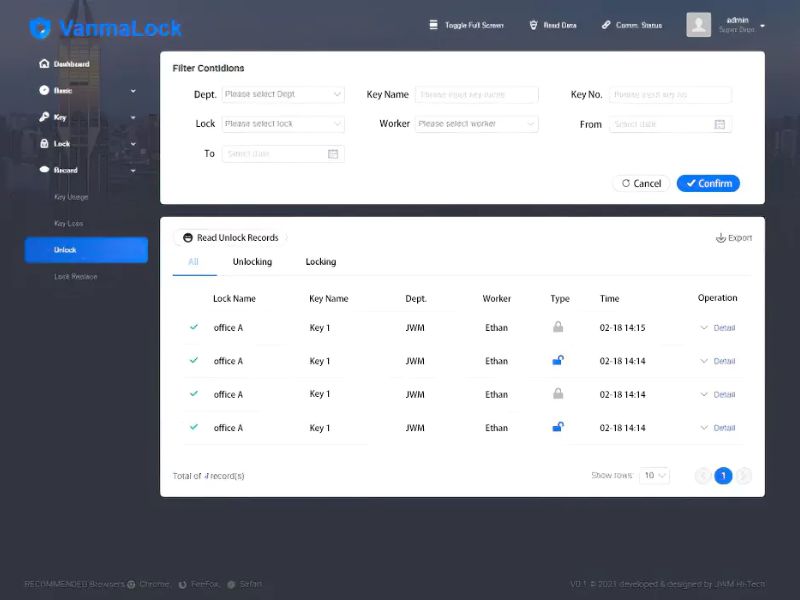
The Vanma access control system plays a vital role in ensuring the safety and integrity of pharmaceuticals. Every time a lock is opened or closed, corresponding records are generated and stored within the smart key, including timestamps and personnel information. These records can be used to monitor who accessed which medicines and when, reducing the risk of theft and even record tampering.
Some pharmaceuticals may require stringent access control, limiting usage to a select few individuals. In emergency situations, doctors can employ remote authorization to grant nurses access. This expedites the retrieval of necessary medicines and enhances patient care efficiency.
In summary, the Vanma access control system provides substantial convenience to pharmaceutical storage management. Through the combination of passive electronic locks, smart keys, and management software, healthcare institutions can achieve higher levels of pharmaceutical security and operational efficiency.
In today’s highly competitive healthcare environment with stringent regulations, precision in pharmaceutical management is paramount. The Vanma access control system not only offers advanced technological solutions but also simplifies management processes. Doctors, nurses, and pharmacists need only carry a single smart key to access the required medication cabinets, eliminating concerns about key loss and management complexity.
Furthermore, the system’s audit record functionality aids in monitoring and tracking pharmaceutical usage, ensuring compliance and reducing the risks associated with medication abuse and security breaches. The remote authorization feature allows healthcare institutions to adapt swiftly to different situations, making rapid decisions and improving patient care efficiency.
In conclusion, the Vanma access control system presents an advanced, efficient, and secure solution for pharmaceutical management in healthcare institutions. It facilitates the delivery of high-quality healthcare to patients while mitigating the risks and complexities associated with pharmaceutical management. The widespread adoption of this technology will further drive the healthcare industry towards increased safety and efficiency.
The retail industry is a sector that encompasses a wide range of businesses, including supermarkets, department stores, and specialty shops.
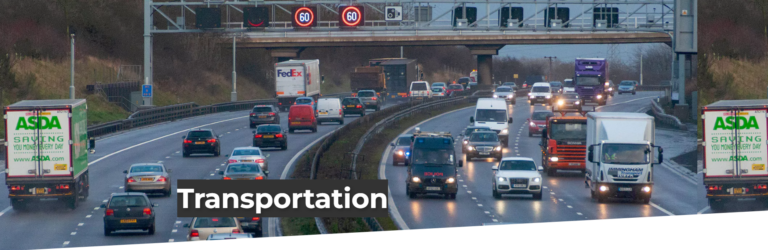
With the development of smart cities and the growing demand for traffic, urban traffic has begun to rely on more

With the branched-out offices, cash transit areas, and ATMs, employees, and cash are always on the move. Ensuring the physical security of cash is critical to the banking industry. That’s why key management in the banking industry is usually complex, often requiring two people to be on-site and unlocking at the same time.
For banks, in addition to the risk of burglary, also need to prevent internal employees from using their position to steal.
Vanma smart locks can improve operational efficiency in terms of both security access and management platform. Employees only need to carry one key with them, saving time to find the key. Managers can make changes to access rights at any time. Mainly used in transit Cash Box, ATM machines, bank tellers, etc.

As the world rapidly shifts toward digital infrastructure, the demand for secure and efficient data centers is growing across industries—from