


Solutions
Data Center Access Control Solutions
As the world rapidly shifts toward digital infrastructure, the demand for secure and efficient data centers is growing across industries—from

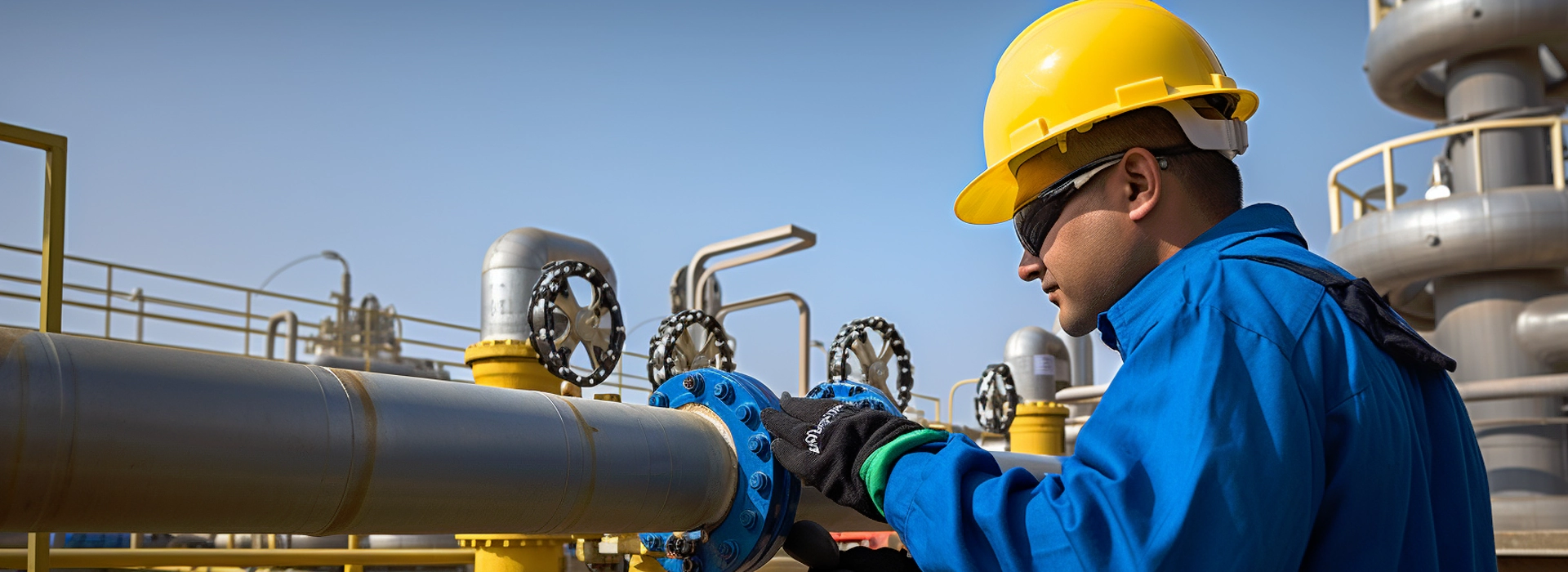
Oil theft remains a serious threat across farms, industrial facilities, and logistics yards. As fuel prices climb and tanks are often left unprotected in remote locations, criminals are increasingly targeting these vulnerable storage sites. This guide explores effective ways to safeguard oil tanks from theft and unauthorized access—combining practical physical barriers with advanced locking solutions. For organizations seeking a reliable lock for oil industry environments, Vanma Passive Electronic Locks offer a power-free, tamper-resistant option that ensures both security and accountability. Whether you’re managing fuel for a farm, transport fleet, or industrial depot, this article will help you reduce risk and secure your fuel assets with confidence.
Oil and fuel prices remain volatile, and tanks containing diesel or heating oil can be worth thousands. Rural and remote locations often lack 24/7 monitoring, making them ideal targets for fuel theft. According to NFU Mutual’s Rural Crime Report, fuel theft cost UK rural communities over £5 million in 2022. Organized crime groups often target farms, construction sites, and transport depots, siphoning fuel quickly and without detection. Additionally, fuel theft often goes unreported, making the actual numbers likely higher than documented.
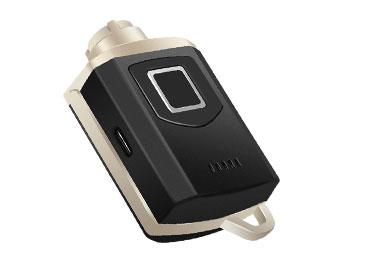
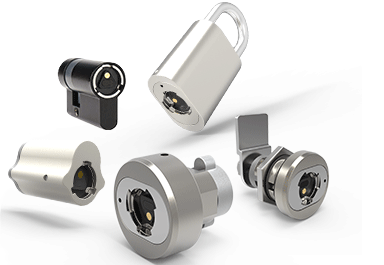
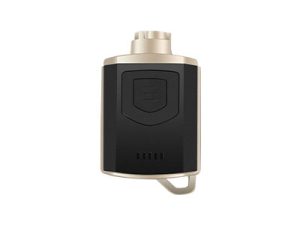
High-quality locks are your first line of defense. Instead of traditional padlocks that are easy to cut, consider installing Vanma Passive Electronic Locks. These locks for oil industry work without wiring or batteries, drawing power from a smart key at the moment of use. They are tamper-resistant, waterproof (IP68), and record every unlock attempt. The digital nature of the key also ensures that access can be granted or revoked remotely, which is invaluable for fuel depots with changing personnel or third-party access.
Surrounding your tank with steel cages, fences, or bund walls creates a visual and physical deterrent. Ensure barriers are tall, lockable, and anchored into the ground. Planting natural hedges around the site also provides additional concealment and psychological barriers.
Lighting that reacts to movement discourages unauthorized nighttime activity. Solar-powered floodlights are ideal for off-grid tanks and can be combined with alarm triggers that send notifications to mobile devices.
Install IP cameras with mobile notifications. Choose models that support license plate recognition to track delivery vehicles and unauthorized visitors. Consider using cloud-based footage storage to prevent data loss during sabotage.
Use sensors that trigger an alarm when fuel levels drop abnormally. Connect these to SCADA systems or wireless alert platforms to act instantly. Some modern systems also send SMS or app notifications, ensuring timely response even when offsite.
Post signs like “CCTV in Operation” or “Smart Lock Secured” around the tank area. Visible warnings can scare off opportunistic thieves. These signs also serve to reassure staff and visitors that security is a priority.
Don’t advertise your fuel delivery schedule. Limit access during refueling and verify delivery personnel. Create strict handoff protocols with time-stamped records and visual confirmation.
Vanma locks provide audit trails: every time the lock is opened, it records the user ID, time, and location. This helps investigate incidents and manage contractor access. The data can also be reviewed periodically to improve operational efficiency.
Train staff to spot suspicious activity and report anomalies. Assign unique smart keys to employees for traceability. Conduct regular drills to simulate theft attempts and assess readiness.
Ensure your tank and fuel stock are covered for theft under commercial or farm insurance policies. Document all security measures you’ve taken—many insurers offer discounts for proactive security installations.
Vanma’s innovative design solves many of the challenges faced by traditional locks and electronic systems used in the oil industry:
When securing industrial oil tanks, businesses often choose from several types of locks—each with its own advantages and limitations:
By comparing these types, it’s clear that Vanma strikes a balance between security, durability, and operational efficiency, making it the most practical solution for industrial fuel storage protection.
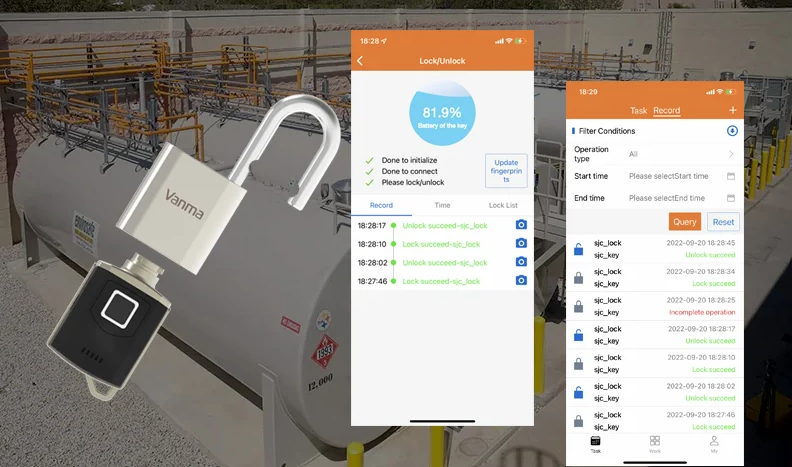
Vanma is already used in telecom sites, energy facilities, and logistics yards where power is limited and advanced access control is critical. Its flexibility and rugged design make it the best lock for oil industry applications.
| Security Element | Protection Method |
|---|---|
| Tank lid & valves | Vanma electronic lock for oil industry |
| Tank visibility | Hidden from roads, fencing |
| Monitoring | CCTV & motion lighting |
| Alarms | Fuel level sensors |
| Access control | Smart key management for fuel tanks |
| Staff accountability | Unique access credentials |
| Delivery scheduling | Strict protocol and audit log |
A logistics company managing diesel fuel for a fleet of over 100 trucks faced recurring losses over a 12-month period. Their fuel storage tanks were located at a satellite yard in a remote industrial zone. The site lacked a permanent security presence, and traditional padlocks were frequently compromised.
After an internal audit revealed that over 8,000 liters of fuel had gone missing within six months—mostly at night or during shift transitions—the company decided to overhaul its fuel access control system.
They replaced all mechanical locks with Vanma passive electronic locks, paired with personalized smart keys for each shift supervisor and external contractor. These locks required no wiring, functioned under harsh outdoor conditions, and provided a full audit trail.
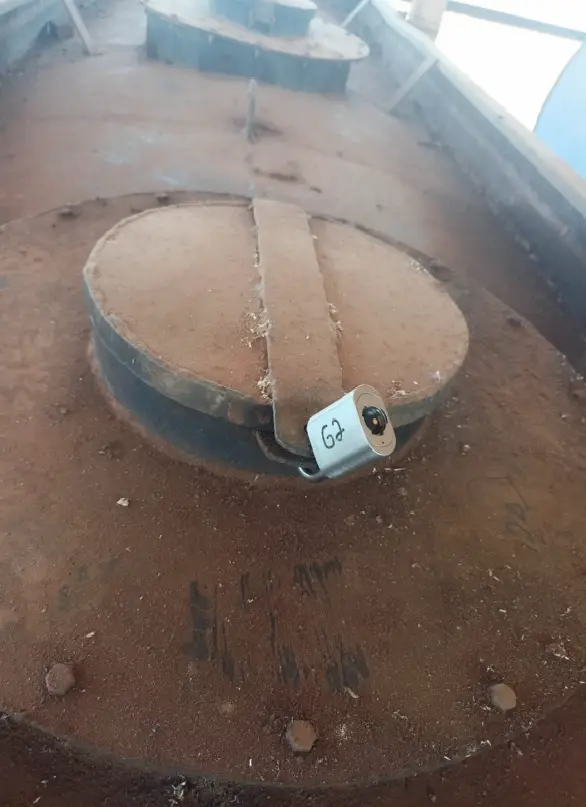
Oil theft can happen in minutes but leave long-term consequences—from fuel loss to equipment downtime, reputational harm, and safety risks. By combining smart deterrents, proactive monitoring, and programmable lock systems like Vanma, you can turn your oil tank from a soft target into a secured asset.
Vanma provides the flexibility and control needed in remote, high-risk, or power-limited environments. With durable, power-free locks and traceable access, it is the optimal lock solution for the oil industry.
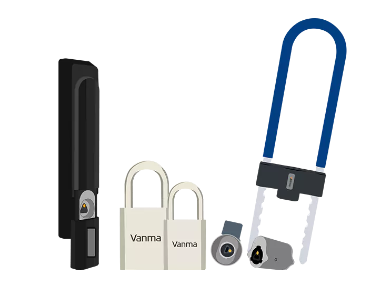
Contact Vanma today and discover how easy it is to upgrade your fuel tank protection with electronic locks for the oil industry.
As the world rapidly shifts toward digital infrastructure, the demand for secure and efficient data centers is growing across industries—from

From K-12 schools to university campuses, educational institutions face growing challenges in securing facilities such as classrooms, laboratories, server rooms,
The power industry involves the generation, transmission, distribution, and sale of electricity to consumers. As a critical infrastructure, it plays

In today’s accelerated development of e-commerce and international trade, the air, sea and land transportation industries must provide complete access