


Solutions
Healthcare Facility Access Control Solutions
The healthcare industry is a vital sector that includes hospitals, clinics, pharmaceutical companies, and medical device manufacturers. It is essential

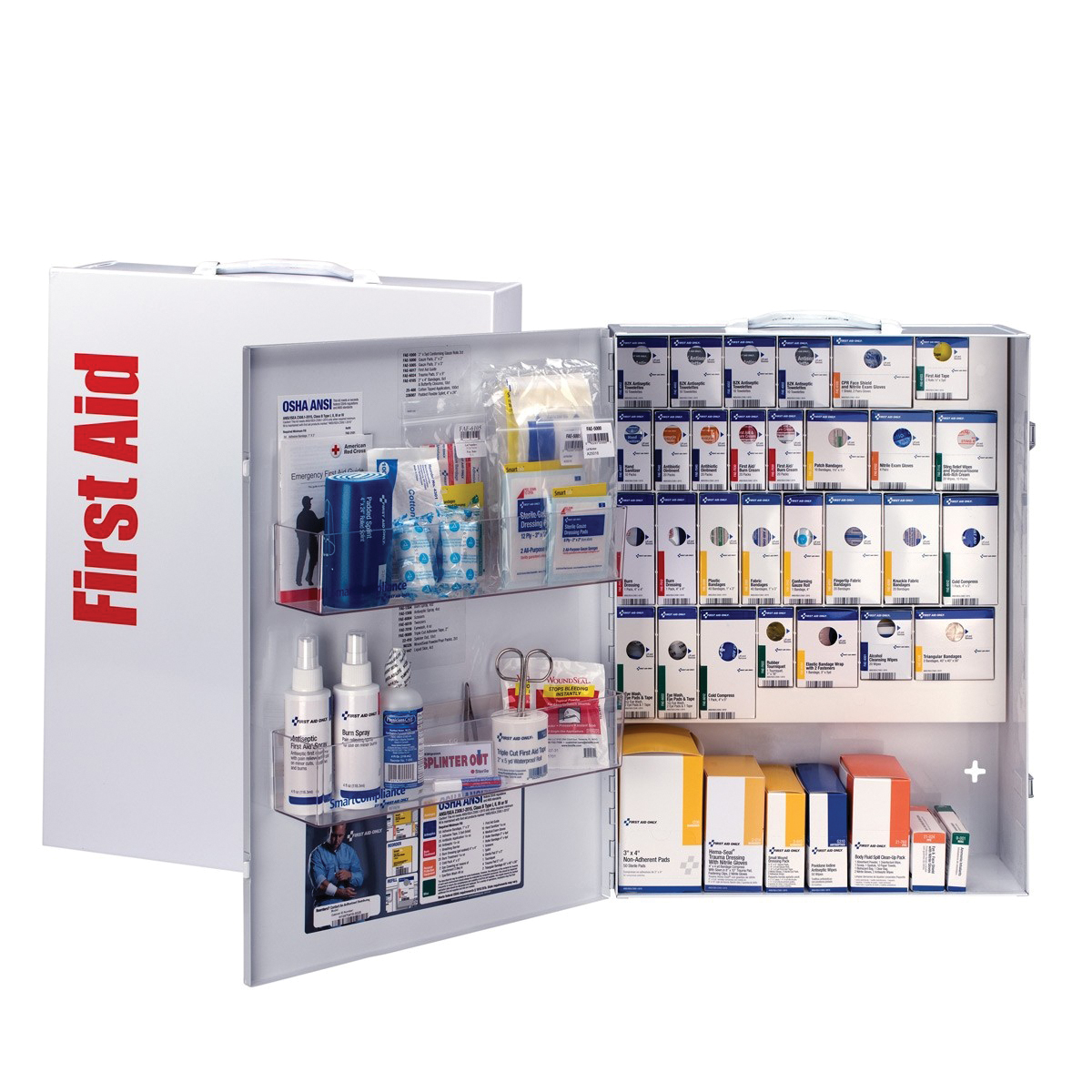
Medicine cabinet locks play a far more important role in industrial and professional environments than they do in the average household. Inside hospitals, laboratories, pharmacies, chemical plants, utility stations, telecom facilities, and senior-care institutions, these cabinets often store controlled substances, first-aid medications, restricted chemicals, and sensitive health materials. A weak or outdated lock system in such places does not only create inconvenience but can also violate regulations, endanger employees, and expose organizations to operational risks. Because of this, strong and reliable medicine cabinet locks have become essential tools for maintaining compliance, safety, and accountability within high-stakes workplaces.

In industrial environments, medicine cabinet locks are no longer simple barriers. They serve as a structured access control mechanism that protects regulated materials from unauthorized handling while supporting staff workflows. Whether the concern is preventing drug diversion in a hospital, limiting access to corrosive chemicals in a lab, or securing emergency supplies in a remote telecom site, proper locking systems reduce liability and help facilities maintain strict internal safety procedures. Unlike home use, industrial storage deals with shift changes, multi-user access, and compliance requirements that demand stronger, more accountable lock solutions.
Hospitals, pharmacies, and clinics must follow strict rules when storing narcotics, prescription drugs, and high-risk medications. Industrial-grade medicine cabinet locks help control access by ensuring only authorized personnel can open the cabinet during their shift. This reduces the risk of internal misuse, theft, or accidental exposure, which is a major concern in busy medical environments where multiple staff members may interact with the storage area each day.
Industrial workplaces often operate 24 hours a day, meaning numerous employees across different departments may need to access medical storage for first-aid supplies, chemical treatment kits, or emergency medications. Reliable locks keep operations efficient by making sure only trained individuals can open the cabinet while still allowing supervisors to manage who has authorization. This is especially important in facilities where contractors or temporary workers are present.
In laboratories, manufacturing plants, and research environments, the greatest danger often lies in chemicals rather than medications. Medicine cabinet locks secure acids, reagents, and volatile substances that shouldn’t be accessible to untrained personnel. This reduces safety risks, supports environmental health protocols, and prevents accidental exposure during busy shifts. Strong locks also help laboratories adhere to internal and industry-specific compliance standards.
Facilities handling patient information or storing medical supplies for workers must follow privacy regulations. Medicine cabinet locks ensure confidential first-aid items, staff medications, and patient-specific treatments remain secure. Industrial workplaces benefit from locks that provide traceability and controlled authorization, ensuring compliance with internal audits and external regulatory inspections.
Industrial requirements differ significantly from household needs. Organizations must consider access levels, durability, environmental resistance, and the ability to withstand repeated daily use. Below are the most common types of medicine cabinet locks suitable for professional settings.
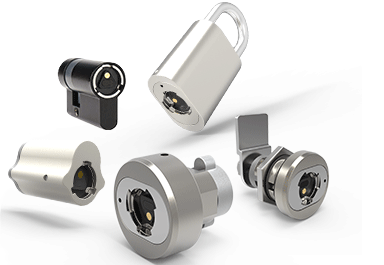
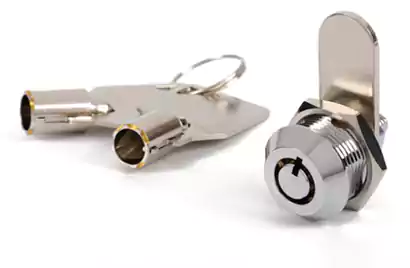
Cam locks remain one of the strongest and most trusted options for industrial storage. They are frequently installed in metal cabinets, chemical storage lockers, and pharmaceutical drawers. Their simple mechanical design provides strong resistance against tampering, while their metal construction withstands rough environments. Many facilities choose cam locks when they need long-term reliability without complicated maintenance requirements.
Combination locks are practical when multiple staff members require access but management wants to avoid dealing with physical keys. By setting numeric codes, supervisors can control who knows the access sequence and easily update it when staff changes occur. These locks offer a balance between convenience and security in environments where medications or supplies must remain accessible but still controlled.
Electronic cabinet locks have become increasingly valuable in industries requiring detailed access logs. These locks record who accessed the cabinet and when, offering traceability that supports auditing, compliance verification, and incident investigation. Many healthcare facilities and laboratories rely on electronic systems to maintain accountability across multiple departments and shifts.
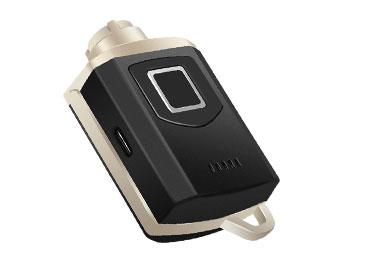
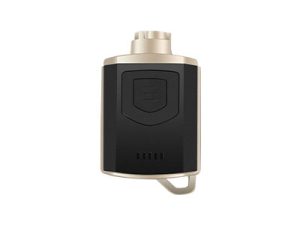
Passive electronic locks, such as those used in the Vanma Lock System, offer a unique advantage in industrial facilities because they do not require batteries in either the lock or the key. This makes them ideal for locations with limited maintenance access, such as telecom towers, remote utility stations, or factory chemical storage rooms. The key communicates authorization digitally, supporting temporary access, multi-level control, and audit record generation. Their rugged design and IP-rated protection also allow them to perform well in wet, dusty, or vibration-heavy environments where traditional electronic locks may fail.
Choosing medicine cabinet locks for industrial environments requires careful consideration of workflow, security expectations, and long-term durability. Unlike residential users, industrial operations must evaluate how different departments interact with the cabinet and how access requirements may change over time.
Metal cabinets often accommodate cam locks or passive electronic locks well, while plastic or composite cabinets may require specialized mounting hardware. Facilities operating in humid or chemical-heavy environments should consider corrosion-resistant materials and IP-rated designs. A lock that performs well in a climate-controlled office may not withstand conditions inside a utility building or manufacturing plant.
High-risk environments storing pharmaceuticals or hazardous chemicals require strict access control. Supervisors should choose locks that support tiered permissions, allowing certain employees to access only specific compartments. This is one area where passive electronic locks or electronic access systems offer advantages by recording every opening and closing event.
Industrial facilities depend on smooth workflows. If a lock slows down operations, staff may avoid using it properly, creating new safety risks. Choosing a lock that balances quick access with appropriate security levels can improve compliance and support smoother shift transitions.
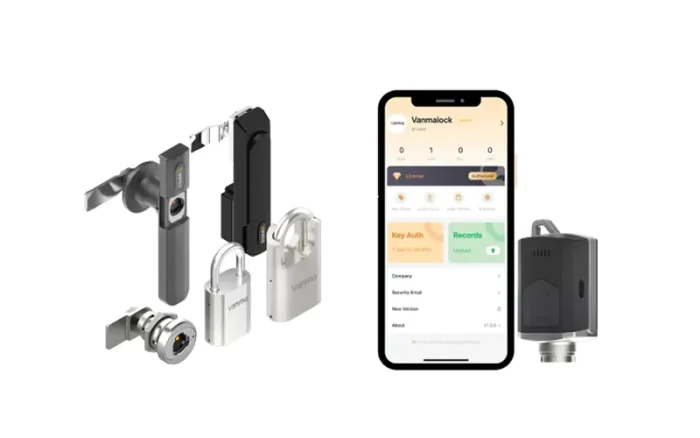
Industrial buildings often prioritize solutions that reduce long-term maintenance. While electronic locks provide excellent tracking and control, passive electronic locks offer the added benefit of zero battery replacement. Cam locks, while basic, deliver high durability and low costs, making them suitable for certain storage needs. Understanding both the upfront cost and the lifetime cost is crucial for budget planning.
Proper installation ensures the effectiveness and longevity of any lock system. In professional environments, lock installation should support safety compliance while avoiding disruptions to existing equipment or storage processes.
Depending on the lock type, installers may need drills, alignment tools, precision screwdrivers, or mounting brackets. Preparing the installation site by cleaning the cabinet surface and verifying alignment reduces the risk of lock malfunction or improper closure.
For cam locks, the installer typically drills a hole in the cabinet door, inserts the cylinder, and attaches the locking arm. Industrial cabinets tend to be thicker and sturdier, so precise drilling and measurement are essential to avoid misalignment. Once installed, the lock should be tested multiple times to ensure smooth operation.
Electronic and passive electronic locks require proper mounting and key authorization setup. Because passive locks do not require power wiring or batteries, installation is usually simpler. The installer configures permissions in the management software, assigning which personnel can access which cabinets. This process ensures only authorized staff can operate the lock immediately after installation.
Industrial environments introduce unique challenges, and small mistakes in lock selection or installation can create serious safety risks. Avoiding these common errors strengthens facility security and workflow integrity.
Home-use locks often lack the durability and tamper resistance needed for industrial operations. Lightweight adhesive locks or basic latches are not suitable for environments handling pharmaceuticals, chemicals, or sensitive supplies. Industrial operations should always invest in commercial-grade solutions.
Many organizations use access control badges, key management systems, or digital authorization workflows. Selecting locks that cannot integrate with existing systems leads to operational inconsistency and increased risk. Passive electronic locks, for example, integrate more smoothly because authorization is stored in the key itself.
Humidity, dust, chemicals, temperature fluctuations, and strong vibrations can all affect lock performance. Locks should be selected based on the specific environmental challenges of the facility, such as the need for stainless steel construction, waterproof seals, or corrosion-resistant coatings.
Over time, locks experience wear, environmental damage, or changes in functional requirements. Replacing them ensures continuous compliance and operational safety.
If turning the key becomes difficult, the latch sticks, or parts show corrosion, replacement becomes necessary. Industrial facilities cannot risk lock failure during emergency access situations.
As facilities grow or regulations become stricter, upgrading to locks with audit trails, digital authorization, or higher durability is often required. Passive electronic locks provide an upgrade path for facilities transitioning from mechanical to controlled-access systems.
When departments change their operational structure or expand storage capacity, existing locks may no longer meet workflow needs. Updating locks ensures the facility remains compliant and efficient.
Industrial facilities handle controlled substances, hazardous chemicals, and first-aid materials that must remain secure. Strong locks prevent unauthorized access, support compliance with safety regulations, and reduce the risk of workplace incidents.
High-risk environments benefit from locks that offer audit trails and controlled authorization. Electronic locks and passive electronic locks provide traceability, multi-level access control, and tamper resistance suitable for demanding settings.
Yes. Passive electronic locks can replace mechanical locks when facilities require flexible authorization, detailed access records, and lower maintenance costs. Because the locks contain no batteries, they work well in remote or harsh environments where traditional electronics fail.
Facilities should test locks weekly and conduct detailed inspections monthly. Regular checks ensure locks function smoothly and identify issues before they jeopardize safety or compliance.
Facilities can implement locks that support programmable authorization. Passive electronic systems, for example, allow managers to assign different access levels to employees, set time-limited permissions, and track usage through digital logs.
The healthcare industry is a vital sector that includes hospitals, clinics, pharmaceutical companies, and medical device manufacturers. It is essential

As the world rapidly shifts toward digital infrastructure, the demand for secure and efficient data centers is growing across industries—from

The telecommunications industry provides communication services through various means, including phone, internet, and television. It plays a significant role in

With the branched-out offices, cash transit areas, and ATMs, employees, and cash are always on the move. Ensuring the physical security of cash is critical to the banking industry. That’s why key management in the banking industry is usually complex, often requiring two people to be on-site and unlocking at the same time.
For banks, in addition to the risk of burglary, also need to prevent internal employees from using their position to steal.
Vanma smart locks can improve operational efficiency in terms of both security access and management platform. Employees only need to carry one key with them, saving time to find the key. Managers can make changes to access rights at any time. Mainly used in transit Cash Box, ATM machines, bank tellers, etc.