

Solutions
Smart Access Control & Locks for Transportation Infrastructure
With the development of smart cities and the growing demand for traffic, urban traffic has begun to rely on more


Telecom networks depend on thousands of physical sites to deliver reliable communication services. These sites are often remote, unmanned, and exposed to both environmental and human risks. Without proper protection, they become easy targets for unauthorized access, vandalism, and operational mistakes. To prevent unauthorized access to telecom sites, operators must go beyond traditional locks and adopt modern access control strategies that combine physical security, authorization control, and accountability. This article explains why unauthorized access is a growing problem, the risks it creates, and how modern lock systems—such as Vanma—help telecom operators protect their infrastructure more effectively.
Telecom infrastructure has changed dramatically over the last decade. Networks are larger. Sites are more distributed. Field teams are more mobile. At the same time, expectations for uptime and service quality are higher than ever.
Most telecom sites are no longer protected by constant human presence. Base stations, outdoor cabinets, shelters, and tower compounds are often placed in public or semi-public locations. Many are visited only when maintenance is required. This makes physical security harder to manage.
Unauthorized access is no longer rare. It happens in many forms. Sometimes it is theft. Sometimes it is vandalism. Often, it is simply the wrong person opening the wrong site at the wrong time. Each of these cases can disrupt service.
This is why operators must take deliberate steps to prevent unauthorized access to telecom sites. Physical access control is no longer optional. It is a core part of network reliability.
Telecom sites face unique security challenges. These challenges come from how and where the sites are built.
First, many sites are remote. They may be located along highways, in rural areas, or on the edge of cities. These locations are difficult to monitor in real time.
Second, telecom equipment has clear value. Backup batteries, copper cables, radios, and fiber components can be removed quickly. In many regions, these items are resold easily.
Third, sites are shared. Contractors, maintenance teams, power companies, and network engineers may all need access. Each additional user increases the risk of mistakes.
Finally, weather plays a role. Outdoor telecom site protection requires hardware that can survive heat, rain, dust, salt, and corrosion. Locks that fail due to weather often fail silently.
When these factors combine, it becomes difficult to prevent unauthorized access to telecom sites using simple tools.
Unauthorized access is not limited to break-ins or criminal acts. In daily operations, it often looks much more ordinary.
For example:
In these cases, there may be no damage at all. But the risk still exists. Operators lose visibility. Accountability disappears. If a problem occurs later, there is no clear history.
From a security and compliance perspective, any access that is not approved, controlled, and recorded should be treated as unauthorized. To truly prevent unauthorized access to telecom sites, access must be intentional and traceable.
The consequences of unauthorized access can be serious. Even small actions can have large effects.
Telecom cabinets contain sensitive equipment. A loose cable, a removed battery, or a changed configuration can interrupt service. Customers may lose connectivity without warning.
Many telecom sites contain high-voltage power systems. Unauthorized access increases the risk of injury or accidents, especially for untrained individuals.
Stolen or damaged equipment must be replaced. Emergency repair teams must be deployed. Locks may need to be changed. These costs add up quickly.
In regulated environments, lack of access control can lead to audit failures. Customers and partners may also lose trust in the operator’s ability to protect infrastructure.
These risks explain why telecom site security is now closely linked to business performance.
For many years, telecom operators relied on mechanical solutions.
Common tools included:
These tools still have value. They create a basic physical barrier. However, they have clear limits.
Mechanical keys can be copied. Keys are often shared. When a key is lost, the only solution is to replace the lock. There is no way to know who opened a site or when.
As networks grow, managing keys becomes more complex. Operators may lose track of who holds access. At scale, this makes it difficult to prevent unauthorized access to telecom sites consistently.
For many years, telecom operators relied on mechanical solutions.
Common tools included:
These tools still have value. They create a basic physical barrier. However, they have clear limits.
Mechanical keys can be copied. Keys are often shared. When a key is lost, the only solution is to replace the lock. There is no way to know who opened a site or when.
As networks grow, managing keys becomes more complex. Operators may lose track of who holds access. At scale, this makes it difficult to prevent unauthorized access to telecom sites consistently.
Even the best access policy fails if the lock itself is weak.
Telecom locks must do more than close a door. They must survive outdoor conditions, resist tampering and support controlled access.
A suitable telecom lock should:
Locks designed for indoor use often fail outdoors. This leads to broken hardware and unprotected sites. Strong lock design is essential for secure telecom infrastructure.
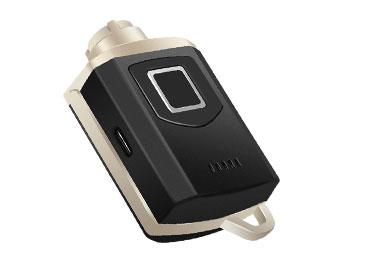
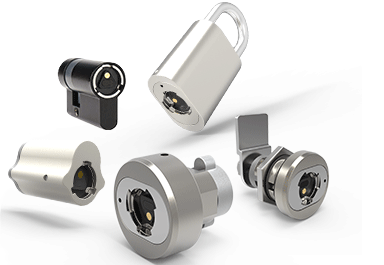
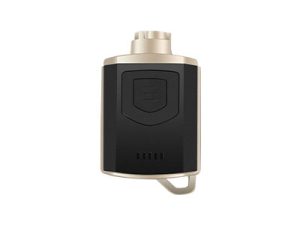
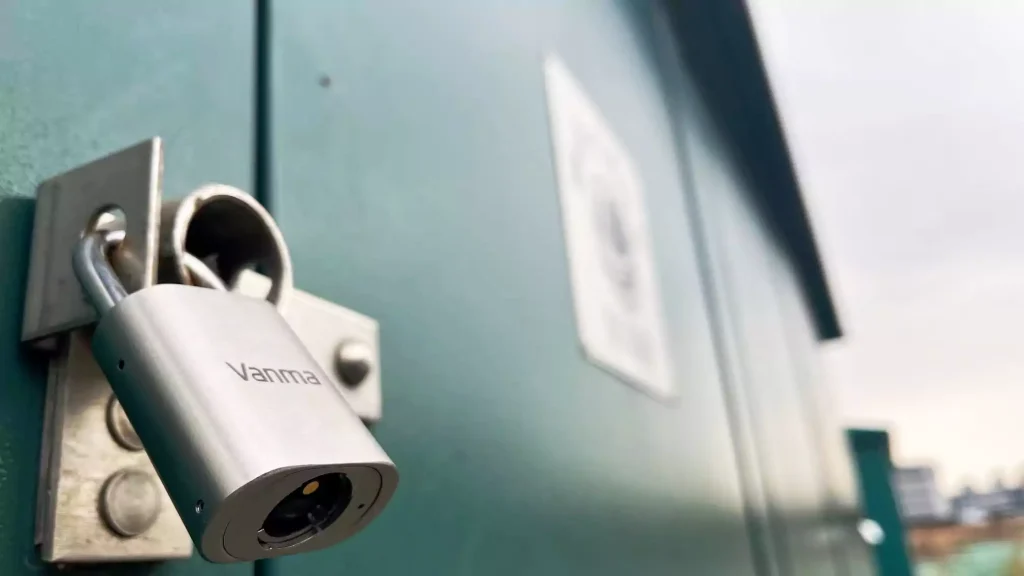
Vanma passive electronic lock system is designed for distributed telecom environments.
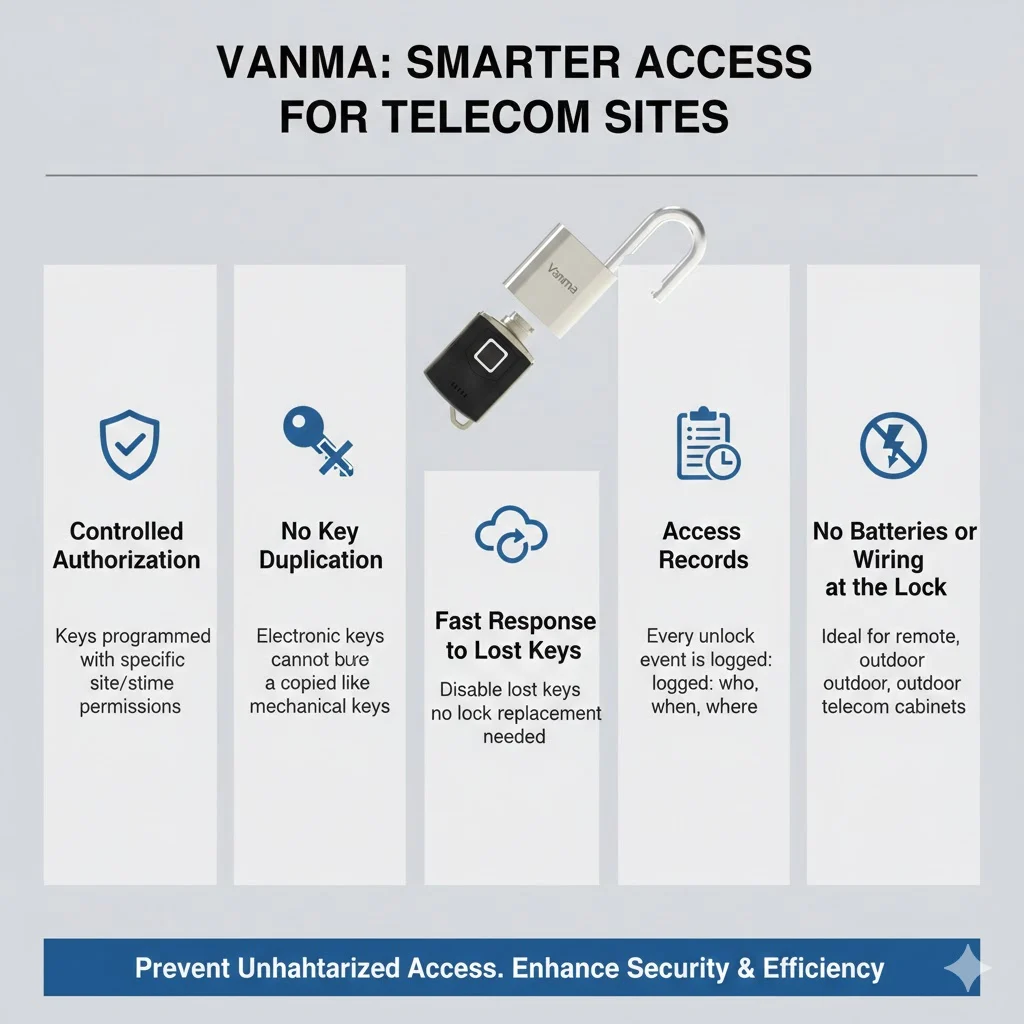
Each electronic key is programmed with specific permissions. Technicians can only open approved sites. This reduces mistakes and misuse.
Electronic keys cannot be copied like mechanical keys. This removes one of the most common access risks.
If a key is lost, it can be disabled centrally. There is no need to replace locks or visit every site.
Each unlocking event is recorded. Operators can review who accessed a site and when.
Vanma locks do not require power at the site. This makes them ideal for outdoor telecom cabinets and remote locations.
Together, these features help operators prevent unauthorized access to telecom sites while reducing daily management effort.
Contractors are essential in telecom operations. But they also increase access risk.
Temporary access should be:
Modern access systems allow operators to grant access for a specific task and revoke it automatically. This is much safer than collecting physical keys after each project.
Clear contractor access control plays a major role in telecom access control strategies.
Technology alone is not enough. Good processes matter.
Operators should:
Even small improvements can greatly improve overall telecom site security.
Telecom networks will continue to expand. Sites will become more distributed. Field teams will remain mobile.
This means unauthorized access risks will not disappear. They must be managed continuously.
Operators that invest early in modern access control are better prepared for future growth. They reduce incidents, lower costs, and protect service quality.
To prevent unauthorized access to telecom sites effectively, access control must be treated as a long-term operational discipline.
Unauthorized access is one of the most underestimated risks in telecom operations. It affects service reliability, safety, and costs. Traditional locks and manual key systems struggle to keep up with modern networks.
To prevent unauthorized access to telecom sites, operators need better control, better visibility, and better tools. Modern electronic lock systems, such as Vanma, provide a practical and scalable solution. They protect physical infrastructure while supporting efficient field operations.
In today’s telecom environment, preventing unauthorized access is not just about locking doors. It is about knowing who has access—and keeping that control at all times.
With the development of smart cities and the growing demand for traffic, urban traffic has begun to rely on more

Airports are among the world’s most complex and security-critical facilities, managing thousands of staff, contractors, and restricted zones across vast, sprawling sites. From airside perimeter fences and baggage handling areas to control rooms and fuel storage, every access point demands reliable, traceable, and weather-resistant security. Traditional mechanical locks are no match for the scale, accountability, and operational demands of modern airport management. Vanma provides intelligent, power-free access control solutions purpose-built for the unique challenges of airport environments. With IP68-rated durability and proven deployments worldwide, our systems ensure secure, auditable, and flexible access management across terminals, perimeter gates, and critical infrastructure — helping airport operators maintain safety, meet compliance requirements, and keep operations running without interruption.
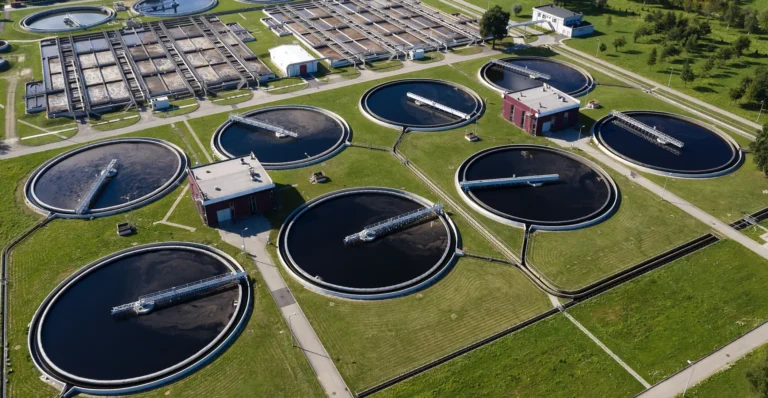
Water resources and water quality are closely linked to population growth and economic growth. Today’s wastewater treatment plants are often

In today’s accelerated development of e-commerce and international trade, the air, sea and land transportation industries must provide complete access