





Solutions
Smart Access Control & Lock Systems for the Power Industry
The power industry involves the generation, transmission, distribution, and sale of electricity to consumers. As a critical infrastructure, it plays

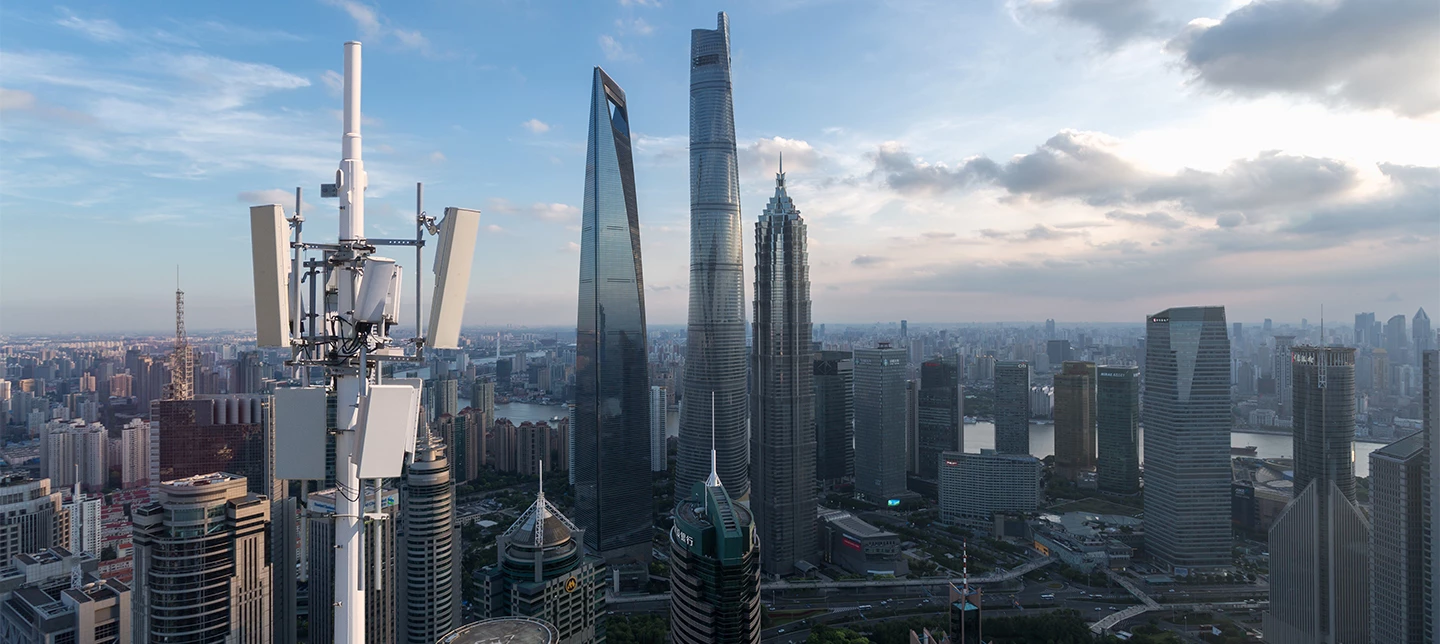
As telecom infrastructure expands to meet soaring connectivity demands, telecom site security is critical to safeguarding networks against theft, vandalism, and unauthorized access. This article explores challenges like equipment vulnerabilities and management inefficiencies, highlights solutions such as Vanma Passive Electronic Locks, and offers strategies to enhance security, streamline operations, and ensure uninterrupted service in a rapidly evolving industry.
Background
The Global Telecom Outlook 2024-2028 reveals that in 2023, the telecom sector’s total service revenue from both fixed and mobile networks grew by 4.3%, reaching a substantial US$1.14 trillion. However, looking ahead, the industry is anticipated to experience a slowdown in its revenue growth rate. Specifically, the projected compound annual growth rate (CAGR) is estimated to be 2.9% over the next five years, through 2028. Despite this deceleration, the global telecom sector remains poised for significant expansion, with an expected additional US$200 billion in incremental revenue growth by 2028.
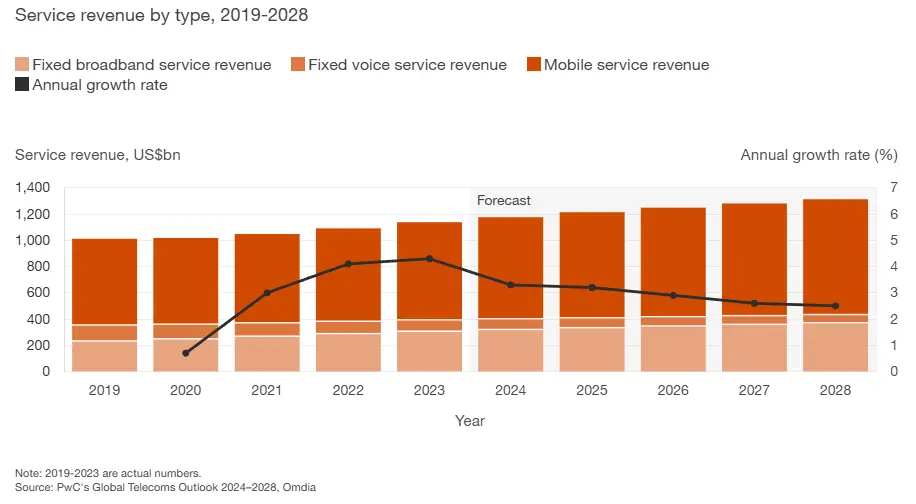
This growth has led to a substantial increase in the number of telecom sites worldwide, which play a crucial role in maintaining network stability and connectivity.
The global telecom industry is experiencing a profound transformation, primarily propelled by the swift uptake of 5G technology and the burgeoning IoT ecosystem. By 2024, the number of global 5G connections has soared to 2 billion, marking it as the fastest-growing mobile communication technology in history. This rapid expansion of 5G is not only revolutionizing connectivity speeds but also driving a significant boost in telecom infrastructure. Operators are actively deploying more cell towers and upgrading existing sites to meet the high bandwidth and low latency demands of advanced applications such as smart cities, autonomous vehicles, and industrial IoT.
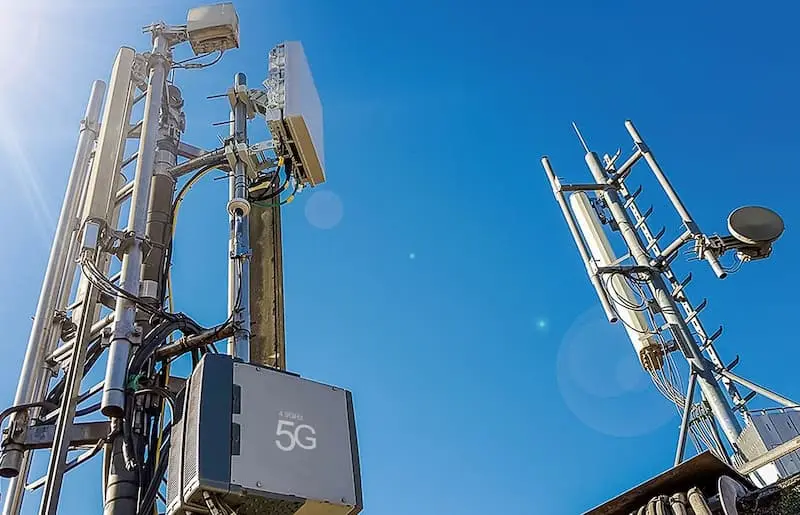
In addition to the 5G boom, the growth in IoT connections is further intensifying the need for robust telecom sites. As of 2023, there were over 8 billion IoT connections worldwide, spanning everything from smart home appliances to industrial sensors. These devices rely heavily on stable and secure telecom networks to function effectively, thereby fueling the expansion of telecom sites across the globe.
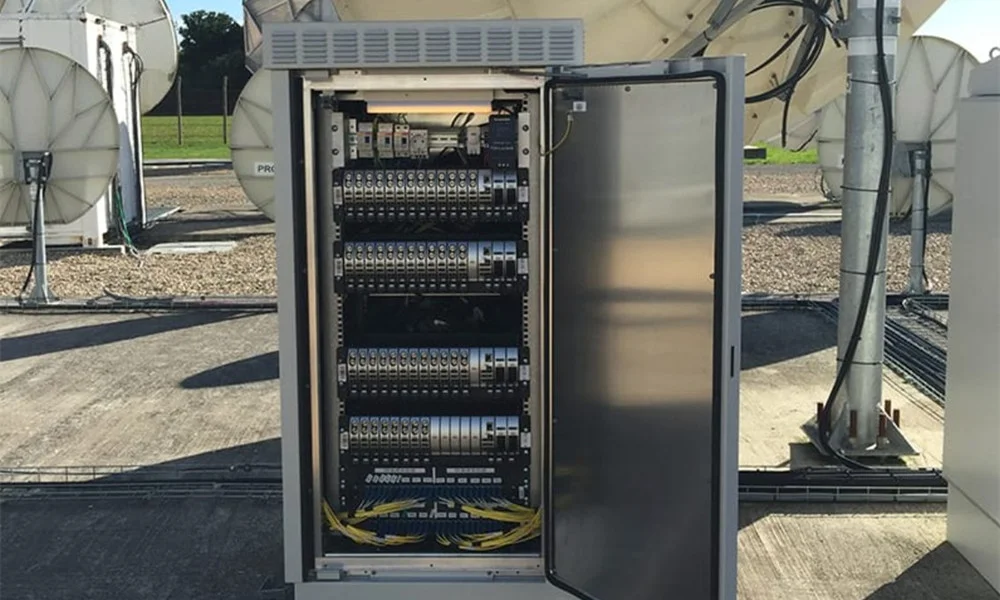
Telecom site management means taking care of different parts of telecom infrastructure, like towers, routers, antennas, data centers, and backup systems. As telecom networks grow around the world, more telecom sites are being built. This makes it really important to manage these sites well, to keep services running smoothly, and to make sure the network stays reliable.
The main parts of a telecom site need careful management to keep everything running well:
Effective management of telecom sites is essential to keep communication networks stable and secure. It includes setting up new sites, keeping them running well, and eventually taking them out of service. Efficient management helps cut costs, avoid downtime, and protect equipment from theft, vandalism, and environmental damage. As the industry keeps changing, using new solutions like Vanma Passive Electronic Locks can boost security and make management more efficient.
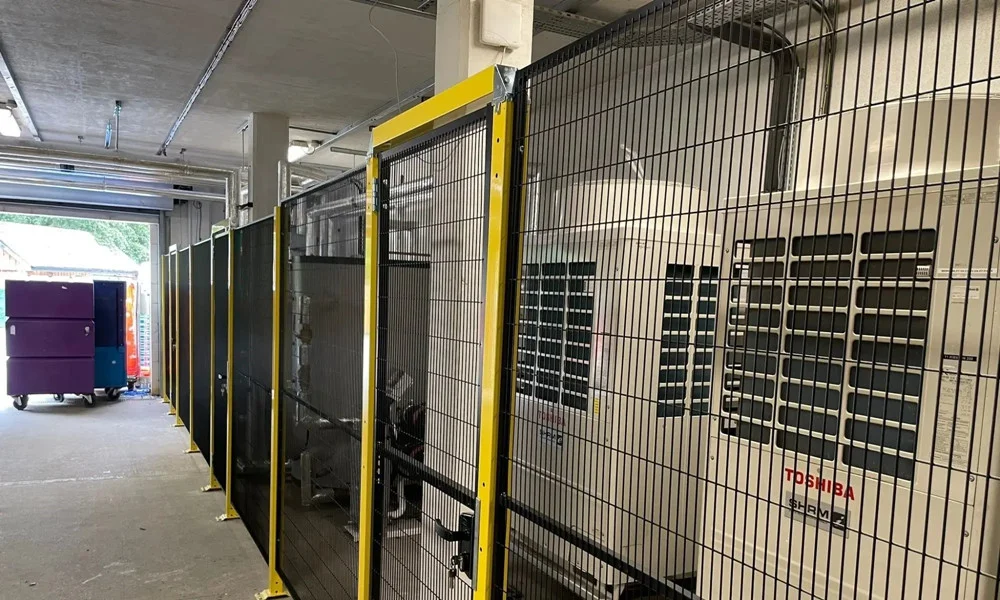
Telecom sites are often located in remote or unattended areas, making them vulnerable to various security threats. These threats can lead to equipment damage, network outages, economic losses, and a decline in service quality. The main challenges include:
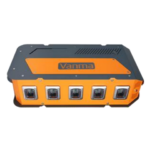
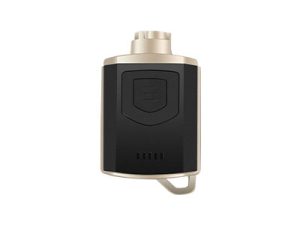
Vanma Passive Electronic Locks provide a complete solution to improve the security and management of telecom sites. Their smart lock system, intelligent keys, and management software work together to make everything safer and more efficient.
Telecom Site Management is important to keep networks running smoothly and protect valuable equipment. By using security measures and technology, problems like theft, vandalism, and unauthorized access can be controlled, making work more efficient.



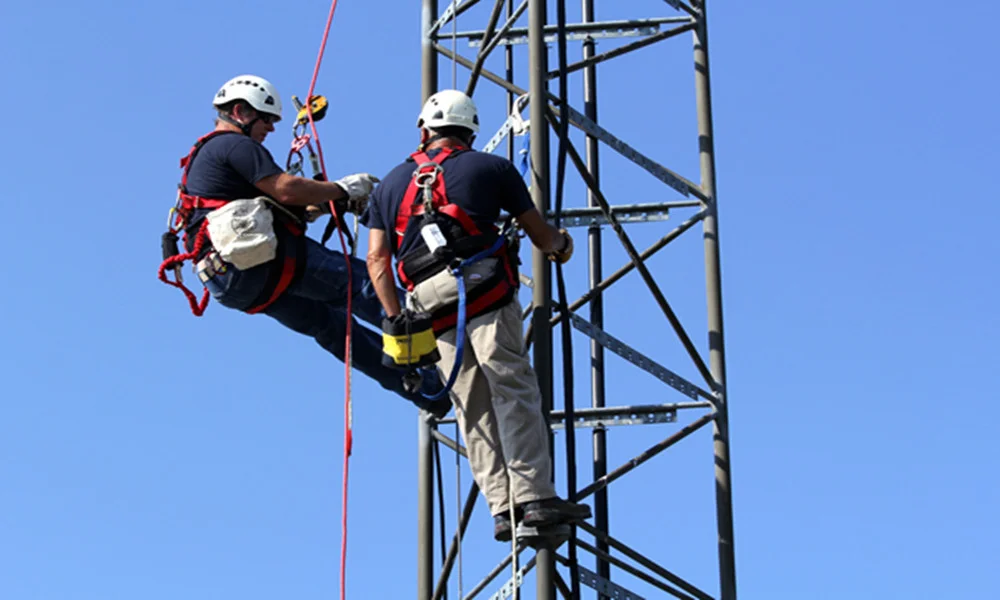
To solve management challenges, the following strategies can be used:
To ensure the long-term viability and security of telecom sites, it is essential to embrace future-proofing strategies and best practices. Malaysia Telecom Company, which operates a large number of telecom sites across the country, has implemented the following best practices:
Future Steps to Improve Site Management
Looking ahead, Malaysia Telecom plans to do the following to make site management better:
In conclusion, Telecom Site Management is essential for keeping telecom networks safe and working well. Using solutions like Vanma Passive Electronic Locks can help telecom companies improve security and make management easier. These locks provide strong access control and allow real-time monitoring, helping to solve common problems. With the right security plans, smart strategies, and best practices, telecom sites can stay safe and services can run smoothly. A good mix of technology, security, and maintenance is important to meet the growing needs of the telecom industry and provide reliable services to users worldwide.
The power industry involves the generation, transmission, distribution, and sale of electricity to consumers. As a critical infrastructure, it plays

Airports are among the world’s most complex and security-critical facilities, managing thousands of staff, contractors, and restricted zones across vast, sprawling sites. From airside perimeter fences and baggage handling areas to control rooms and fuel storage, every access point demands reliable, traceable, and weather-resistant security. Traditional mechanical locks are no match for the scale, accountability, and operational demands of modern airport management. Vanma provides intelligent, power-free access control solutions purpose-built for the unique challenges of airport environments. With IP68-rated durability and proven deployments worldwide, our systems ensure secure, auditable, and flexible access management across terminals, perimeter gates, and critical infrastructure — helping airport operators maintain safety, meet compliance requirements, and keep operations running without interruption.
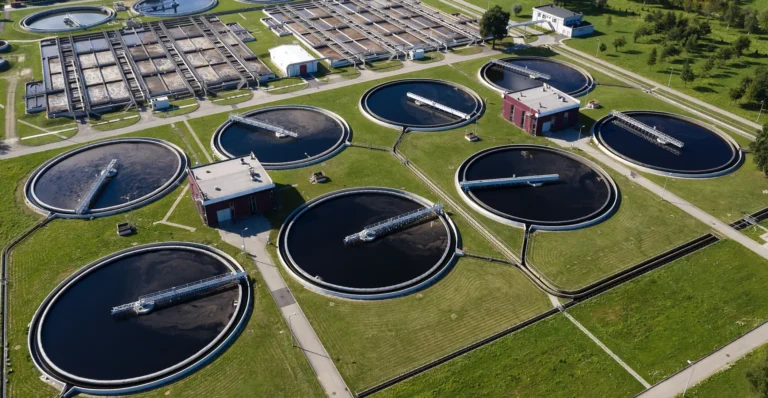
Water resources and water quality are closely linked to population growth and economic growth. Today’s wastewater treatment plants are often

With the development of smart cities and the growing demand for traffic, urban traffic has begun to rely on more