


Solutions
School & University Access Control Solutions
From K-12 schools to university campuses, educational institutions face growing challenges in securing facilities such as classrooms, laboratories, server rooms,

Why Using a Passive Electronic Lock for Telecom Cabinets Matters
Telecommunication systems are the backbone of today’s connected world.
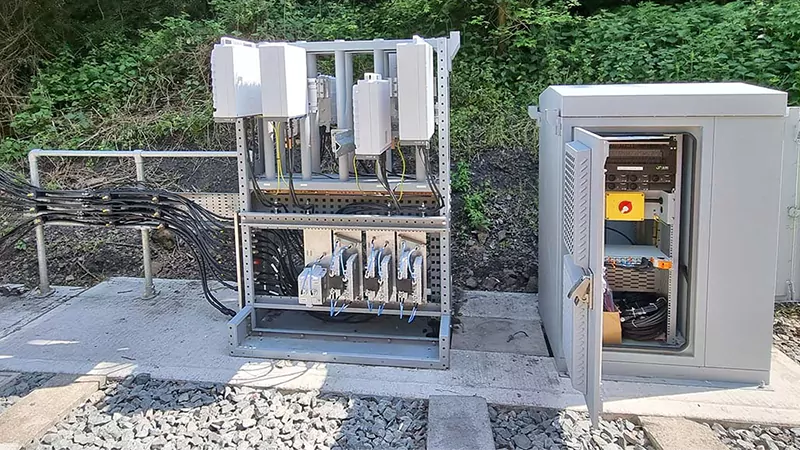
From 5G towers to fiber cabinets and remote network enclosures, these sites are often located outdoors and left unattended.
They face constant risks — theft, vandalism, and harsh weather can all cause network downtime and financial loss.
Keeping these sites secure requires more than a basic mechanical lock.
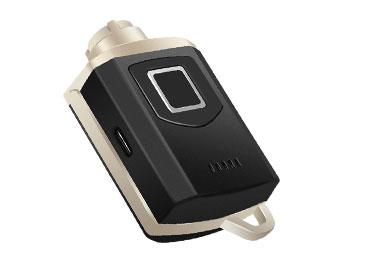
Many operators now choose a passive electronic lock for telecom cabinets because it offers smart access control, detailed audit records, and reliable, battery-free performance.
This article will show why this technology is important, how it works in practice, how it compares with mechanical locks, and why it has become a key part of modern telecom security.
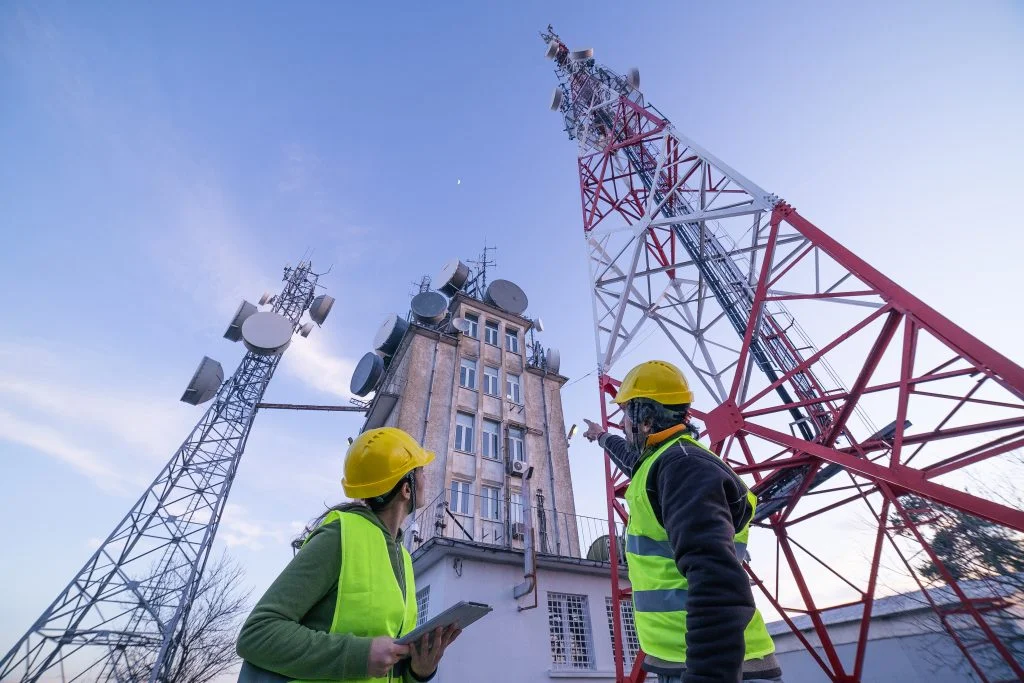
Telecom cabinets are essential for keeping communication networks running, but they are also exposed to many risks.
Most of them are installed outdoors or in public areas, which makes them easy targets for theft, damage, or unauthorized entry.
Below are the most common threats that operators face.
Cabinets often contain expensive parts such as power modules, batteries, and copper cables.
When left unprotected, these items can be stolen or damaged.
According to industry reports from Raycap, stronger locks and durable cabinet designs are key to preventing such losses.
Many technicians and contractors work on the same network.
If mechanical keys are shared or copied, anyone could open a cabinet without permission.
A passive electronic lock for telecom cabinets solves this by allowing only approved users to unlock the door, with every access event recorded automatically.
Outdoor cabinets must resist rain, dust, heat, and even vandalism.
Traditional locks often rust or jam in these conditions.
By contrast, passive electronic locks are built for industrial use and can operate reliably in extreme environments (Evox System).
With mechanical locks, there is no way to know who opened the cabinet or when it happened.
When equipment fails or goes missing, the cause remains unclear.
A passive electronic lock for telecom cabinets keeps a full access history, helping managers trace every activity and improve accountability.
A single damaged or tampered cabinet can disrupt a large part of the network. That leads to costly service interruptions and maintenance trips. By improving cabinet security and access control, operators can reduce outages and protect their investment in critical infrastructure.
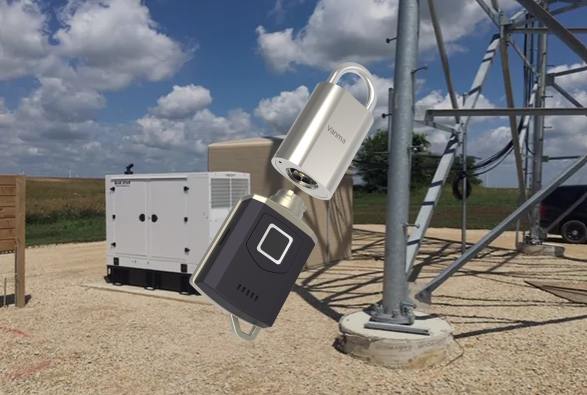
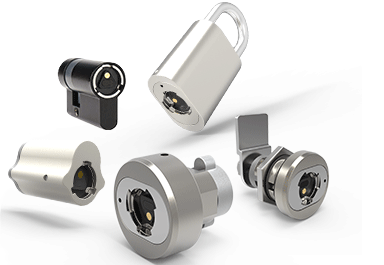
These characteristics make the passive electronic lock for telecom cabinets a highly adaptable and maintenance-free solution for large-scale network operators.
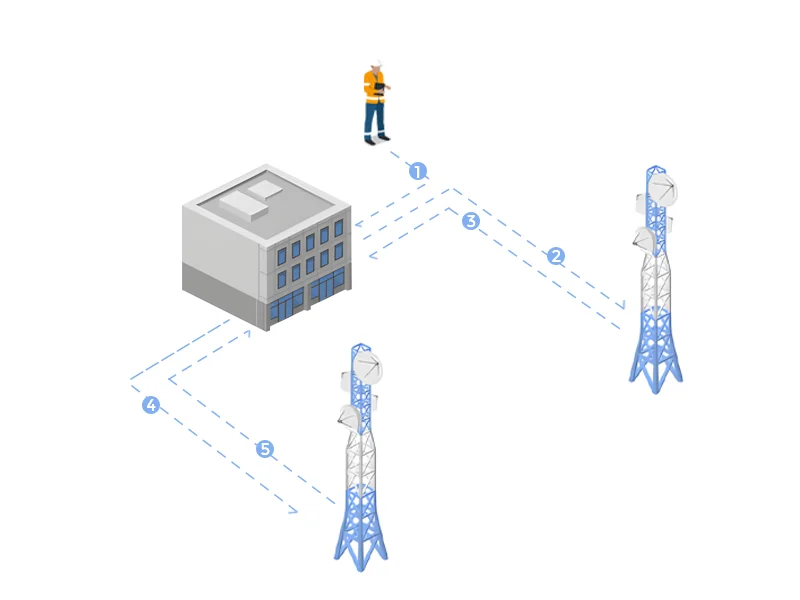
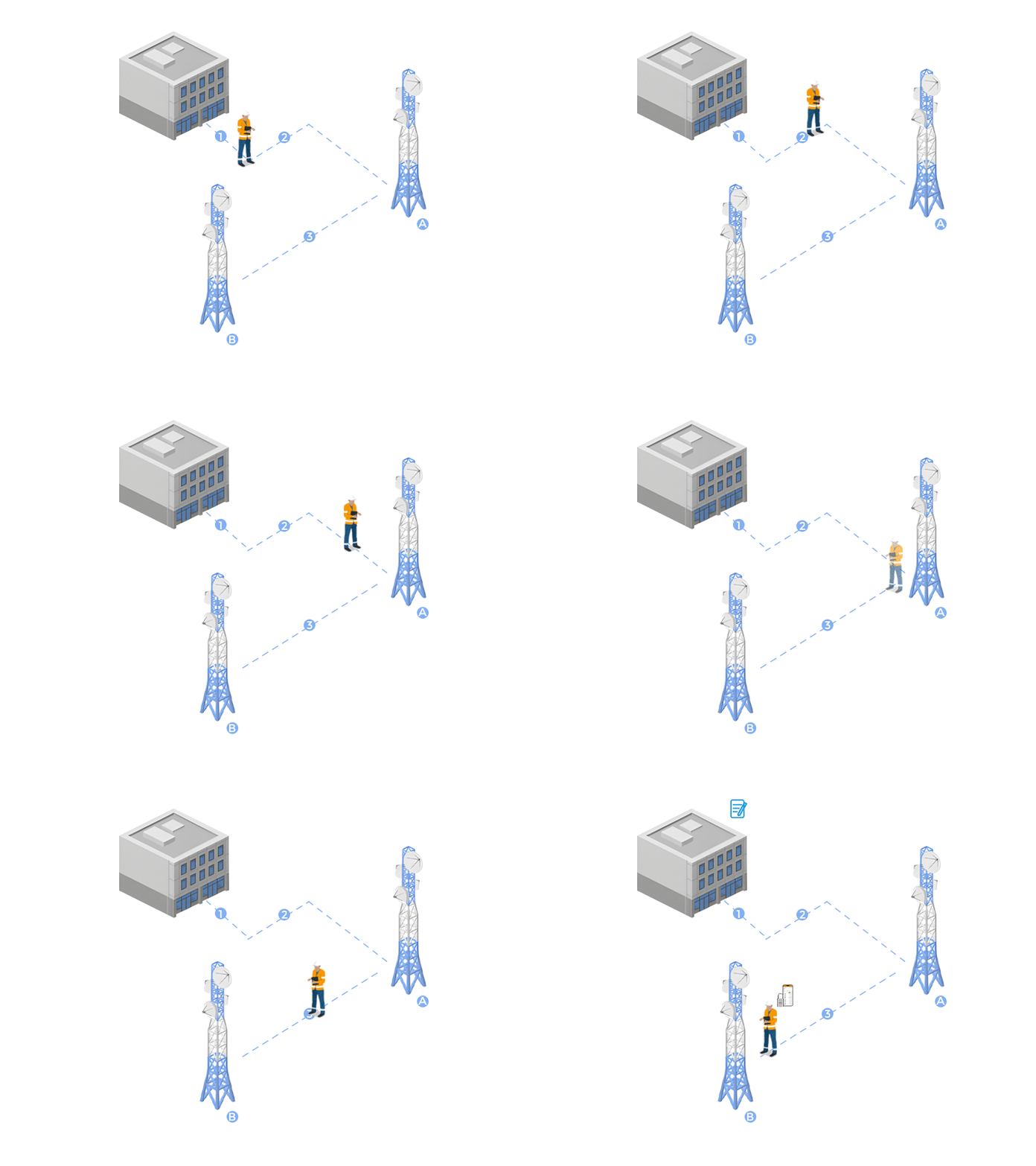
List all cabinets, classify them by risk level, and define who needs access. Choose the proper lock model based on cabinet type and environment.
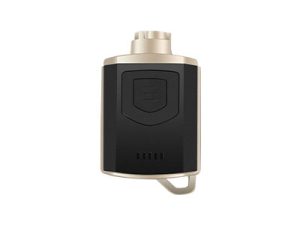
Install the locks on cabinet doors or side panels, program access permissions, and issue smart keys. Each access event is logged instantly, even offline.
For subcontractors, issue time-limited keys that expire automatically. If a key is lost, revoke its digital authorization without replacing the lock—a key advantage of the passive electronic lock for telecom cabinets system.
Monitor logs through the central platform, detect anomalies, and export reports for audits. Because there are no internal batteries, maintenance costs remain minimal.
Operators transitioning from mechanical to electronic systems quickly see how outdated traditional methods are. Below is a practical comparison between a passive electronic lock for telecom cabinets and a mechanical lock.
| Aspect | Mechanical Lock | Passive Electronic Lock for Telecom Cabinets |
|---|---|---|
| Power Source | None; purely mechanical | No battery; powered by smart key |
| Access Control | Shared physical keys | Digital authorization per user |
| Audit Trail | None | Every unlock recorded and stored |
| Lost Key Management | Must rekey lock | Revoke or blacklist key digitally |
| Scalability | Hard to manage | Centralized system for 1–10,000+ cabinets |
| Durability | Can corrode outdoors | IP68-rated, vibration-resistant |
| Security Level | Physical only | AES-256 encrypted authorization |
| Integration | Isolated | Connects with telecom monitoring and ERP |
| Maintenance | Periodic rekeying | Minimal—no batteries or rekeying needed |
A mechanical lock keeps a door shut. A passive electronic lock for telecom cabinets keeps a network secure—by controlling, recording, and analyzing every access event.
As Cytechorg explains, telecom cabinets protect critical equipment that keeps communication networks running.
However, many operators still depend on old mechanical locks that offer little control or traceability.
Today, leading telecom companies are upgrading their systems with passive electronic locks for telecom cabinets to stop theft and prevent unauthorized access.
In Southeast Asia, one large mobile provider installed more than 5,000 locks and saw a 70% drop in unauthorized cabinet openings within just one year.
This success comes from simple but powerful features — no battery inside the lock, secure access records, and easy digital key management.
Together, these advantages have made passive electronic locks a trusted choice for the telecom and utility industries worldwide.
Protecting telecom cabinets means protecting the entire network. A passive electronic lock for telecom cabinets gives operators a smart, battery-free way to replace weak mechanical locks. This system offers digital access control, clear audit records, and easy integration with monitoring software. It not only stops unauthorized access but also turns security data into useful insights for daily operations. For telecom companies that value reliability and compliance, the passive electronic lock for telecom cabinets is not just an upgrade — it is now a key part of every secure and connected network.
As Cytechorg explains, telecom cabinets protect critical equipment that keeps communication networks running.
However, many operators still depend on old mechanical locks that offer little control or traceability.
Today, leading telecom companies are upgrading their systems with passive electronic locks for telecom cabinets to stop theft and prevent unauthorized access.
In Southeast Asia, one large mobile provider installed more than 5,000 locks and saw a 70% drop in unauthorized cabinet openings within just one year.
This success comes from simple but powerful features — no battery inside the lock, secure access records, and easy digital key management.
Together, these advantages have made passive electronic locks a trusted choice for the telecom and utility industries worldwide.
Protecting telecom cabinets means protecting the entire network. A passive electronic lock for telecom cabinets gives operators a smart, battery-free way to replace weak mechanical locks. This system offers digital access control, clear audit records, and easy integration with monitoring software. It not only stops unauthorized access but also turns security data into useful insights for daily operations. For telecom companies that value reliability and compliance, the passive electronic lock for telecom cabinets is not just an upgrade — it is now a key part of every secure and connected network.
From K-12 schools to university campuses, educational institutions face growing challenges in securing facilities such as classrooms, laboratories, server rooms,

The retail industry is a sector that encompasses a wide range of businesses, including supermarkets, department stores, and specialty shops.

As global energy demands continue to rise, oil and gas facilities face mounting challenges in safeguarding critical infrastructure such as

Water resources and water quality are closely linked to population growth and economic growth. Today’s wastewater treatment plants are often