
Introduction
In an era where security is paramount, the protection of buildings has taken center stage. The concept of building access control has emerged as a critical tool in safeguarding premises against a backdrop of evolving security threats. This article seeks to illuminate the integral role of access control within building management. Additionally, it aims to explore the diverse array of access control methodologies available to fortify security measures.

The Significance: Why Building Access Control Matters
In an interconnected world, the concept of building access control has transcended its traditional role. It has become a linchpin in the broader framework of security. Several salient points underscore why building access control has evolved into a necessity:
- Asset and Resource Protection: The preservation of assets and sensitive information is imperative. Robust access control systems, such as those discussed in this article, thwart unauthorized entry, ensuring the safety of invaluable assets.
- Personnel Safety: By restricting access exclusively to authorized personnel, the risk of potential hazards is mitigated. This enhanced safety approach plays a significant role in building management, where the welfare of occupants takes precedence.
- Compliance with Regulations: Industries are governed by stringent regulatory mandates. Effective access control systems align with these standards, offering a framework that not only safeguards but also complies with the mandates set forth.
- Risk Reduction: Access control methodologies contribute substantially to risk management. The implementation of advanced solutions minimizes the likelihood of internal and external threats, thereby preserving the sanctity of the building environment.
Diverse Types of Access Control
The landscape of access control encompasses a spectrum of methodologies, each tailored to cater to specific security requisites:
- Physical Access Control: The realm of physical access control spans cutting-edge technology, including biometric identification and precision security cameras. These innovations ensure that access is granted exclusively to those with authorized clearance.
- Logical Access Control: The ambit of security stretches beyond the physical. Logical access control extends to digital realms, employing encryption and personalized credentials to regulate entry into digital systems and confidential information repositories.
- Time-Based Access Control: Recognizing the role of time in security, time-based access control emerges as a pivotal tool. This feature enables administrators to delineate access schedules, enhancing security during vulnerable periods.
- Role-Based Access Control: Modern organizational structures necessitate tailored security. Role-based access control, as an approach, allocates access levels commensurate with job roles, curbing unnecessary access.
- Two-Factor Authentication: To heighten security, two-factor authentication emerges as a robust methodology. This approach mandates multiple verification steps, creating layers of security.
Exploring Various Access Control Types: Vanma Lock’s Offerings
Vanma Lock offers a range of cutting-edge access control solutions tailored to diverse building needs:
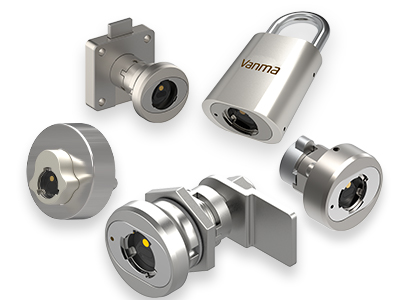
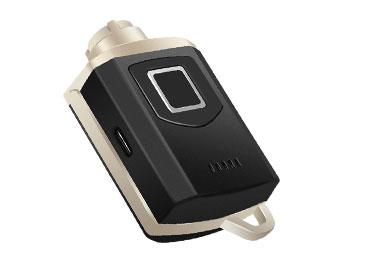
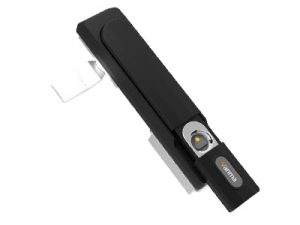
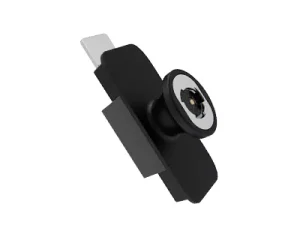
- Advanced Physical Access Control: Vanma Lock’s electronic lock systems provide sophisticated entry management, incorporating advanced biometric technologies like fingerprint recognition. These systems ensure that only authorized personnel are granted entry, enhancing security and efficiency.
- Customizable Time-Based Access Control: Recognizing the significance of time-sensitive access, Vanma Lock’s solutions empower building managers to establish and manage access schedules. This feature adds an extra layer of security during critical periods, aligning access with operational requirements.
- Adaptable Role-Based Access Control: Vanma Lock’s role-based access control solutions strategically allocate access levels based on individuals’ specific roles and responsibilities. This tailored approach ensures that occupants have access only to the areas relevant to their functions.
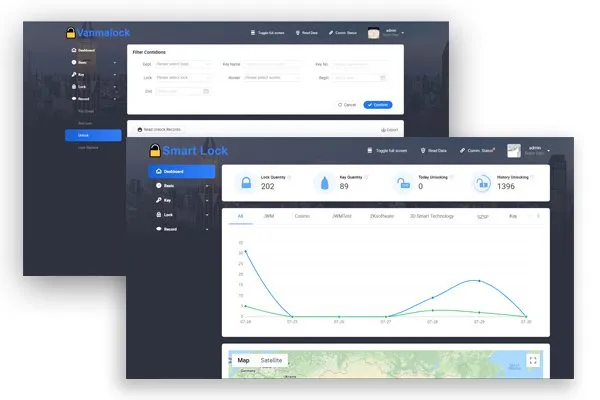
- Unlock Records: Elevating security measures, Vanma Lock provides a fingerprint-based unlock record feature. This innovative function allows the keys upload records inp real time, enabling administrators to monitor and track entry activities with precision.
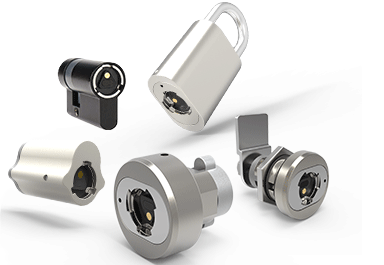
- Tailored Security Solutions: Vanma Lock customizes secure access control solutions to cater to diverse security requirements. This tailored approach ensures that each building’s security system aligns with its unique needs, providing comprehensive protection.
- Unlock Records: Elevating security measures, Vanma Lock provides a fingerprint-based unlock record feature. This innovative function allows the keys upload records in real time, enabling administrators to monitor and track entry activities with precision.
Conclusion
As we navigate an ever-evolving security landscape, building access control transcends the role of conventional door management. It has evolved into a strategic approach that safeguards not just premises but the sanctity of assets, personnel, and information. With a diverse array of access control methodologies at our disposal, we are equipped to tailor our security strategies to meet the precise demands of our environment.
In a world where security challenges are a constant, the role of building access control stands paramount. It is a key instrument in fortifying our structures against an evolving spectrum of threats and challenges. Through these methodologies, we don’t just secure buildings; we safeguard the very fabric of our spaces.
System Composition

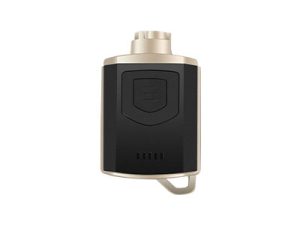
Vanma Electronic Keys
- Infrared sensing
- IP65
- Basic Electronic Key
- Bluetooth Electronic Key
- Fingerprint Electronic Key