In the fast-paced world of logistics, where goods move daily across highways, ports, warehouses, and railways, one critical question remains: how secure is your cargo? Cargo theft and unauthorized access continue to pose significant risks to supply chains worldwide.
Today’s logistics operators face a choice between traditional mechanical locks, battery-powered active electronic locks, and innovative passive electronic locks. Each system offers distinct advantages and trade-offs. In this article, we will explore the different lock types, compare them side by side, and show how a modern trailer lock—particularly Vanma’s passive electronic lock—can transform security strategies across industries.
Main Types of Trailer Lock Systems in Logistics
Choosing the right security system requires understanding the mechanisms, advantages, and limitations of the three primary locking categories used today:
1. Traditional Mechanical Locks
- How it works: Standard physical padlocks and master keys requiring manual key management.
- Advantages: Low initial cost, straightforward operation, and zero reliance on electronic power.
- Limitations: High risk of key duplication, no tracking logs/audit trails, and vulnerable to lock picking or physical cutting.
2. Active Electronic Locks
- How it works: Battery-powered locks equipped with electronic access control, often featuring wireless or Bluetooth connectivity.
- Advantages: Supports remote unlocking capabilities and integrates seamlessly with fleet management systems.
- Limitations: Requires frequent battery replacements or regular charging, carries high ongoing maintenance costs, and presents a risk of lock failure when power runs low.
3. Passive Electronic Locks
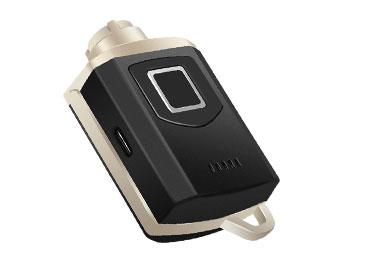
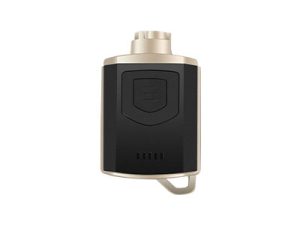
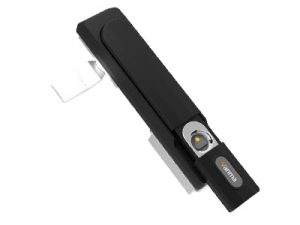
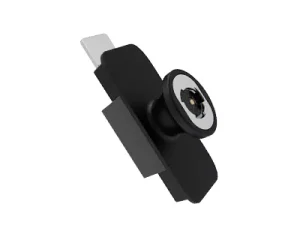
- How it works: No internal battery inside the lock cylinder itself; the lock receives its operating power instantly from a rechargeable electronic smart key upon contact.
- Advantages: Completely maintenance-free locks, dynamic audit trails logging every unlock event, role-based user authorization, and a “one key, many locks” design philosophy.
- Limitations: Requires an initial software configuration to assign authorization rights to keys and locks.
Applications in Road Transport and Logistics Intermodal Freight
Trailer Lock for Cargo Door Protection
Challenges: Logistics teams frequently struggle with unauthorized door openings, missing audit records, or physical locks being broken or damaged by elements.
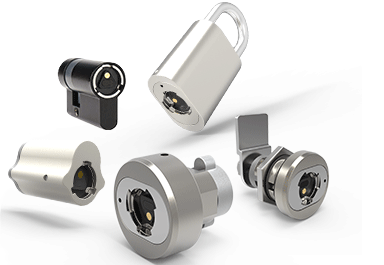
Solution: Vanma’s IP68-rated padlocks resist dust, rain, and extreme temperatures. They integrate seamlessly with fleet software to record exactly who opened a lock and when, eliminating gaps in accountability.
Intermodal Freight & Container Trailer Locks
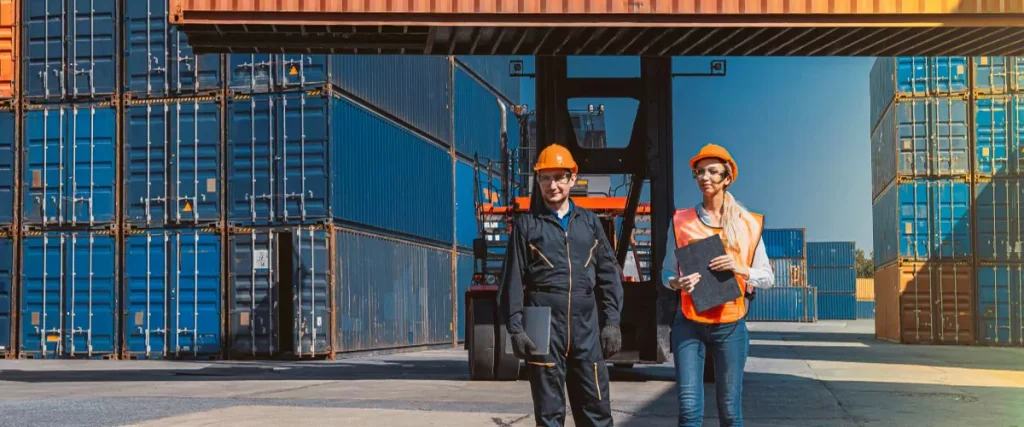
High-security seals are tamper-evident but completely lack real-time data or flexible access options. When containers transfer frequently between ships, trains, and trucks, managing bundles of keys becomes a operational nightmare.
The Vanma Container Trailer Lock system streamlines this by enabling one programmed key to open multiple container doors. This layout ensures that only authorized personnel at designated geographic transit points can unlock the cargo, vastly improving efficiency.
Specialized Security Add-ons
- Kingpin Locks: These prevent unauthorized tractors from physically hitching up to and stealing a dropped trailer.
- Rear Cargo Door Locks: Heavy-duty protection specifically engineered to secure goods inside trailers from opportunistic tampering.
- Trailer Locks with GPS Integration: Provides real-time location monitoring, geofencing alerts if a trailer deviates from its planned route, and emergency remote unlocking features for cross-border journeys.
Core Features of Vanma Passive Electronic Trailer Locks
- AES-256 Encryption: Government-grade digital security prevents electronic key duplication, spoofing, and software hacking attempts.
- Rechargeable Smart Keys: Eliminates battery failures on the road because the power mechanism remains in the key, not the exposed lock.
- Granular Audit Trails: Every single unlock event logs a permanent digital fingerprint capturing the specific user identity, exact time, and location data.
- One Key, Many Locks: Fleet managers can completely replace heavy key bundles with a unified key system customized dynamically via software.
Choosing the Right Trailer Lock for Your Logistics Needs
Review the summary recommendation below to guide your fleet’s investment strategy:
- Use traditional mechanical locks: Best suited for low-risk, short-term shipments where tracking is non-essential.
- Choose active electronic locks: Ideal for fleets that require ongoing remote-unlocking features and have the administrative capacity to manage battery maintenance cycles.
- Opt for Vanma passive electronic trailer locks: The superior choice when long-term field reliability, zero lock maintenance, high physical durability, and ironclad audit control are top operational priorities.